
The connection gap: events rank networking first, fund it last
49% of planners rank peer connection as the top driver of success. Only 8% give it more time (Encore and Boldpush, 2026). That gap is the whole story.
Co-founder and Product Lead, All Along
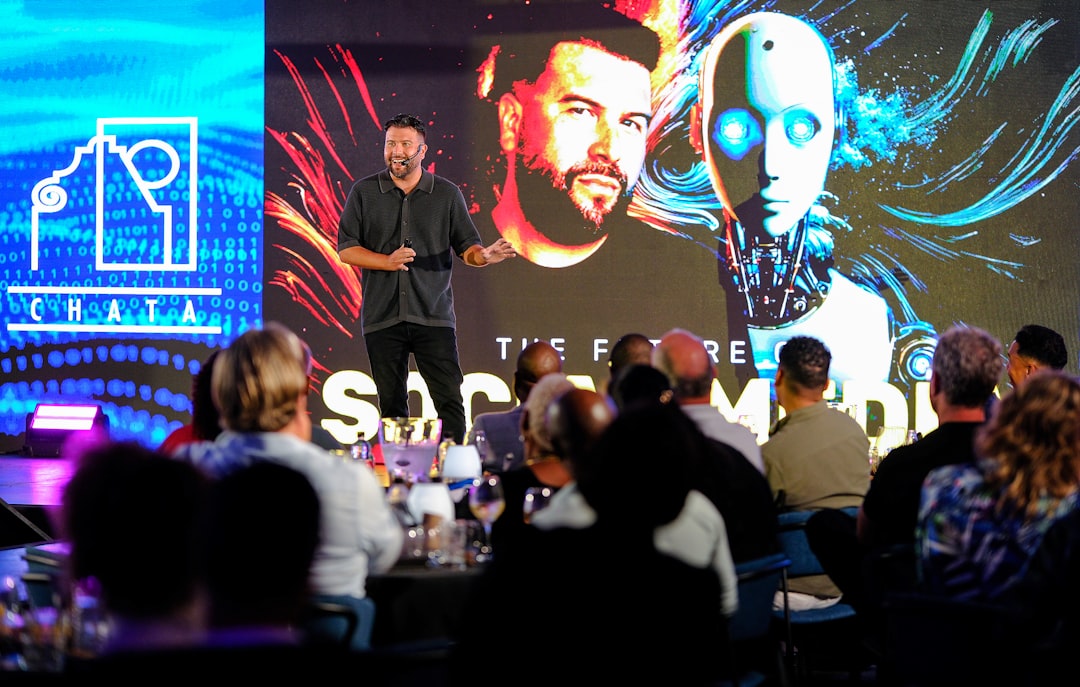
The number that sums up every event I've worked on
The connection gap is the distance between what event organisers say matters and what they actually fund. In a 2026 survey of 447 event professionals, 49% ranked attendee-to-attendee connection as the single biggest driver of an event's success. Only 8% give structured connection more programming time (Encore and Boldpush, 2026). Here's why the gap exists, who it costs most and how to close it.
Read those two numbers next to each other and you've got the whole problem in a sentence. Nearly half of the people who run events say connection is the thing that matters most. Fewer than one in ten build the event around it.
Ouch. That gap is HUGE - and it's so consistent with what I see that I've started calling it the connection gap. (The good news, which I'll come to, is that it's also the most fixable gap in the whole industry.)
What the connection gap actually is
The connection gap is the distance between how much organisers value connection and how much of the programme they actually give it. Value sits up at 49%. Resourcing sits down at 8%. The space in between is where most event networking quietly fails.
What I like about framing it as a gap is that it hands you a shared piece of vocabulary and a question you can answer about your own event. Not 'do we care about networking' - of course you do, everyone does. The more useful question is: when you look at your run sheet, how much designed time does connection actually get, against how much you'd say it deserves? If those two numbers are far apart, you've found your gap. Fix that one thing and you've done more than most.
And it tracks with what attendees keep telling researchers. 58% now say networking is their primary reason for attending an event, up from 39% in 2021 (Freeman, 2025). So the headline reason people walk in the door is the bit of the event getting the least deliberate attention. That's such a shame, when you think about how much work goes into everything around it.
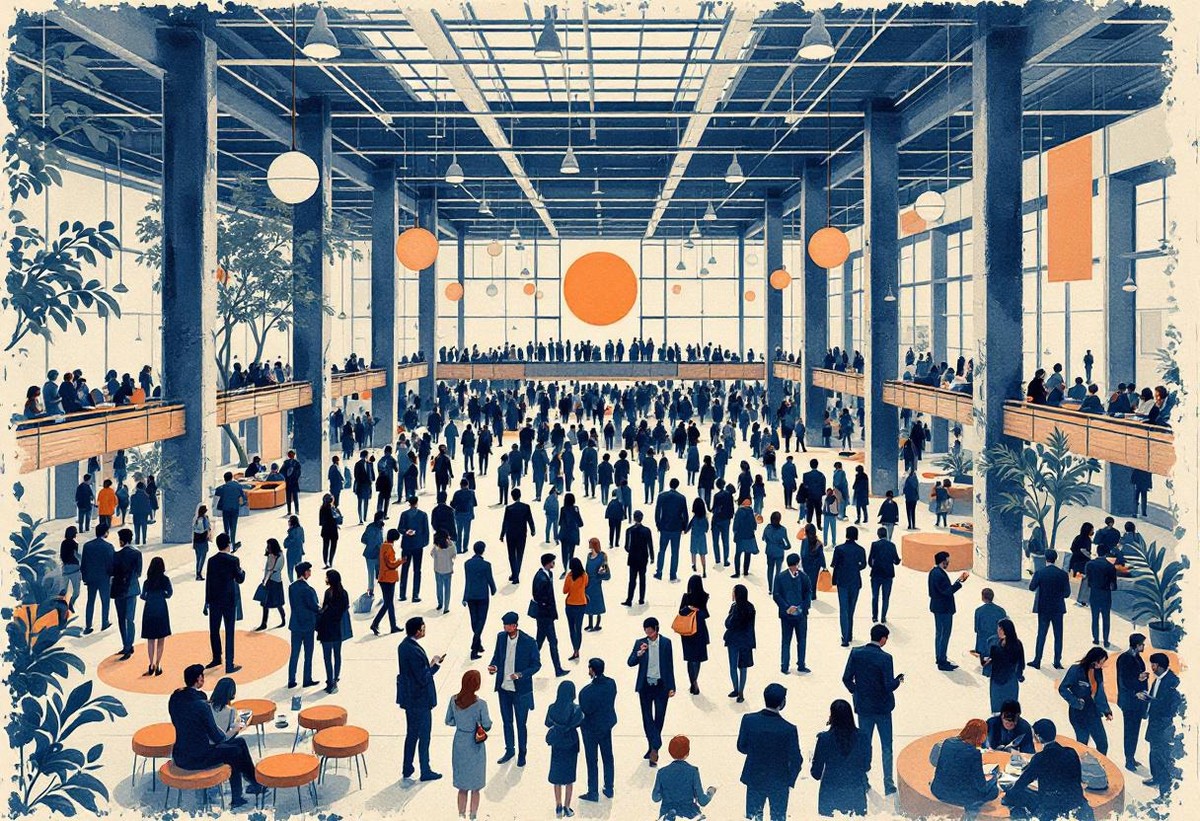
Why the gap exists (and why it isn't about caring less)
The easy story is that organisers don't prioritise networking. The data says the opposite - they prioritise it above everything. So what's going on?
Really, the gap is a design problem dressed up as a values problem. Since the beginning of time, conferences have been built around sessions and a main stage, largely because a conference can't exist without them. Networking became the thing that happens in the gaps - the coffee break, the drinks reception, the lunch queue (often while people are eating and replying to emails). It was never given a slot of its own because it was never thought of as programming. It was thought of as what happens between the programming.
So an organiser who really rates connection still tends to give it leftover time rather than designed time. Not because they don't believe in it, but because the format they inherited doesn't have a place to put it. The industry has started saying this out loud, by the way - 'don't leave networking to chance' has hardened from a nice opinion into something close to consensus across the trade press this year. The belief has shifted. The run sheets mostly haven't caught up yet.
Which I find quietly cheering, actually, because a design problem is a much better problem to have than a values one. You can't easily make people care more. You absolutely can change where connection sits on an agenda.
The cohort the gap hits hardest
So who pays for the gap? Disproportionately, the youngest people in your room.
59% of Gen Z say they will avoid an event altogether if they don't know anyone else going (Skift Meetings, 2026). Read that again - they don't disengage once they arrive, they don't come at all. The cold, sort-it-out-yourselves room is enough to keep them away before you've sold a single ticket to them.
And this is the bit that should focus the mind. By 2030, Gen Z and Millennials are expected to make up roughly three quarters of the workforce. So the cohort most likely to walk away from an unstructured event is also the cohort that will soon be most of your audience. The connection gap isn't just costing you a better afternoon today - it's quietly shrinking your room for the next decade.
The encouraging flip side is that this group has grown up with personalised everything. A warm, specific 'here are three people you should meet and why' lands naturally with them. The thing they're avoiding - walking in cold - is the exact thing good design removes. What attendees actually want from event networking is rarely more contact. It's better-aimed contact.
What closing the gap looks like in practice
So what does an organiser actually do once they've spotted their gap? The reassuring answer is that the first moves are small, and most of them need no new technology at all.
Start at registration. Ask three things that produce real matching signal rather than demographic noise: someone's role, one thing they want to learn at the event, and one thing they can offer other people. Those three answers let you see the obvious peer matches, the useful cross-overs and the mentor-and-mentee pairs without any clever software. The richer guide to designing networking into the agenda goes deeper, but three questions is enough to begin.
Then make a few real introductions before the doors open. Email twenty or thirty people with two or three names each and a one-line reason: 'You're both working on embedded finance - worth a hello before Thursday.' This is good old-fashioned convening, and it works because a personal introduction creates a tiny bit of accountability and a lot of warmth. People show up differently when they already know they're meeting someone.
And give connection a proper place on the run sheet rather than a leftover break. A designed twenty minutes - structured, with a reason to talk to a specific person - beats an attendee-get-on-with-it hour every time. The reason forced networking doesn't work is almost always that it's unstructured, not that it's networking. Structure is the kindness here, not the constraint.
Much of this can be done with pen, paper and active hosting - I really want to be honest about that, because the tech case is stronger when it isn't overclaimed. Software earns its place when you're matching hundreds of people at once and a human coordinator can't keep up. But the thinking comes first, and the thinking is free.
The bit that often gets missed is the second-order payoff. When people arrive already knowing two or three others they have a reason to meet, the whole event changes shape. The coffee break stops being a gauntlet of small talk and becomes a chance to deepen something that already started. Sessions fill up, because attendees follow the people they've connected with. Sponsors get a more engaged audience rather than a hall of strangers half-watching. And the organiser gets the thing that actually pays for next year - return and repeat business, which in my experience grows out of who someone met far more than which keynote they sat through. That's the introduction that changes someone's year, and it's hiding inside a registration form you're probably already sending.
My take: connection is the programme now, not the garnish
Here's where I've landed. For years the honest framing was that networking is the most valued and least designed part of an event. The 49% against 8% finding is the cleanest evidence I've seen that this is still true - and the clearest argument that it's the easiest thing left to fix.
My take: connection has quietly become the programme, and the agenda just hasn't been redrawn to match. The sessions still matter, the stage still matters. But the reason people come, come back and bring a colleague is who they met. Treat that as something you plan and measure, the way you'd plan a keynote or measure ticket sales, and the gap starts to close on its own.
Peter Drucker's old line still does real work here - what gets measured gets managed. So the first step is almost embarrassingly simple: measure your gap. Ask your attendees how many useful people they actually met, and how that compares to how much of your programme you gave them to do it. Measuring whether your event networking worked is the part most organisers skip, and it's the part that turns a hunch into a plan. If you'd like a quick starting point, our free networking gap calculator walks you through the numbers in a couple of minutes.
I'll keep mulling this one - but for now I'm fairly convinced the events that win the next few years won't be the ones with the cleverest tech or the biggest stage. They'll be the ones that finally moved connection out of the gaps and onto the agenda. A very simple problem to solve, once you decide to look at it!
Frequently asked questions
What is the event connection gap?
The connection gap is the distance between how much event organisers value attendee-to-attendee connection and how much of the programme they actually give it. In a 2026 survey of 447 event professionals, 49% said peer connection was the most important driver of an event's success, but only 8% dedicated more programming time to structured connection (Encore and Boldpush, 2026). Almost everyone agrees connection matters most, and almost no one builds the event around it. That gap is the single clearest summary of why so much event networking underdelivers.
Why do events under-resource networking if it matters so much?
Mostly inertia, not indifference. The conference format has been built around sessions and a main stage for as long as conferences have existed, largely because a conference can't really exist without them. Networking has traditionally been the bit that happens in the gaps - coffee breaks, a drinks reception, the queue for lunch. So organisers who really rate connection still tend to give it leftover time rather than designed time. The fix isn't caring more. It's moving connection from the margins of the agenda into the agenda itself.
Which attendees are most affected by weak event networking?
The youngest and earliest-career attendees. 59% of Gen Z say they will avoid an event altogether if they don't know anyone else going (Skift Meetings, 2026). They are also, on global evidence, the loneliest working cohort. So the group most likely to disengage from a cold, unstructured room is the same group that will make up a growing share of every audience - Gen Z and Millennials are on track to be roughly three quarters of the workforce by 2030. Designing connection in is how you stop losing them before the doors even open.
How do you close the connection gap without buying software?
Start with design. Ask three useful things at registration - someone's role, one thing they want to learn and one thing they can offer. Use those answers to spot obvious matches, then make a handful of real introductions by email before the event with a one-line reason each. Give connection a proper slot in the agenda rather than a leftover break. Good old pen, paper and active hosting get you a surprisingly long way. Software helps when you're matching hundreds of people at once, but the thinking comes first.
How do you measure whether event networking actually worked?
Ask attendees a direct question afterwards - how many useful connections did you actually make, and how many led to a follow-up conversation. Track whether people who got pre-event matches attended more sessions or came back the following year. Return and repeat business rates are the honest scoreboard for connection: people come back to the events where they met someone who mattered. You don't need perfection, just a number you can compare year on year so you can see the gap closing.
About the author
Cate Trotter
Co-founder and Product Lead, All Along
Cate is co-founder and product lead at All Along. She's spent 15+ years helping organisations turn emerging tech into commercial results, and founded and sold two retail-focused businesses before building All Along. She writes about how events can turn networking from a happy accident into a repeatable outcome.
Connect on LinkedInReady to make networking the reason people come back?
All Along gives every attendee three people they should actually meet, and gives you a complete picture of what your audience wants.
More from Field Notes
Young professionals loneliness is the cohort events miss
The loneliest people in the room are not who you'd think. Across 142 countries the 19 to 29s come out worst. That changes who event design should serve first.
What coworking already knows about curated introductions
The coworking industry decided years ago that introductions are the job. It just does them by hand. Here is what events and communities can borrow.
Leadership loneliness is the design brief events keep missing
The most senior people in the room are also the loneliest. That is a design brief, not a wellbeing post. Here is what I do with it.