
Networking event planning checklist: a 60-day calendar
Most networking events fail at planning, not delivery. Pre-event matching alone lifts a rating 3.2 times once the agenda is locked (Freeman).
Co-founder and GTM Lead, All Along
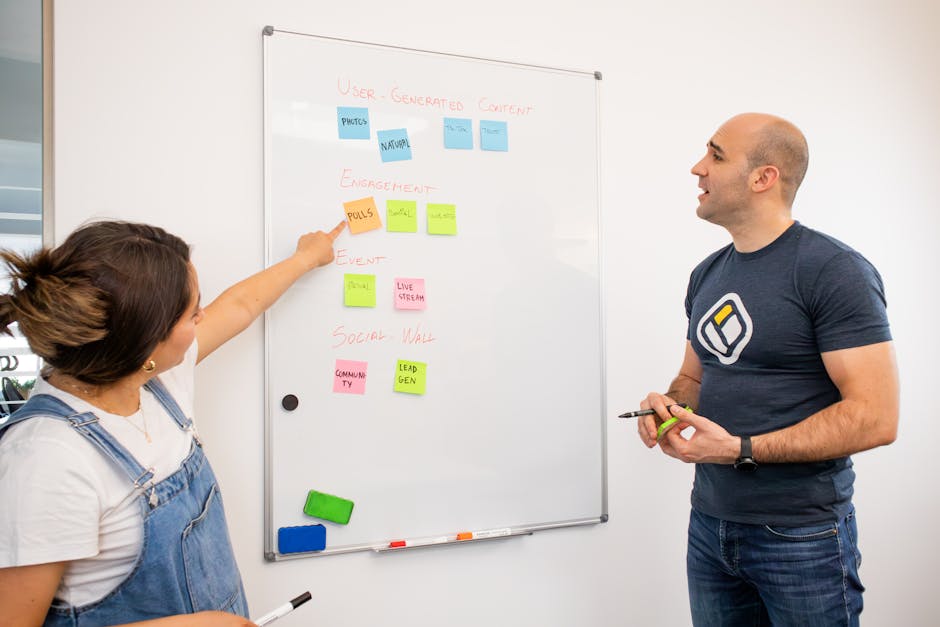
Build a networking event backwards from a 60-day calendar, in six phases. The decisions that matter - the networking goal, the five registration questions, the matching mechanism and the floor plan - all belong in the first three weeks, before the agenda is locked. Everything after that is logistics. Here is the calendar, and the point in it where most plans quietly slip.
Most networking events fail at planning, not execution. The agenda gets locked in. The venue is booked. Then someone says "let's add networking" three weeks out and the whole thing turns into a longer coffee break.
A planning checklist is not a magic spell. It is a way to make sure the decisions that determine whether attendees meet the right people get made on time, by the right person, with the right data. That is the whole job. If you are new to the end-to-end design process, the guide on how to plan a networking event covers the strategic decisions that sit upstream of any checklist.
This is the checklist I use when I plan networking into an event - 60 days, six phases, the boxes that actually move the needle. Lift it directly if it is useful, or compare it against how All Along structures the same flow for organisers running this at scale.
What a useful planning checklist looks like
Most planning checklists are admin lists. Book the venue. Confirm the AV. Order the lanyards. Useful for not forgetting things, useless for changing outcomes.
A useful planning checklist forces the networking decisions to be made before the agenda gets locked in - which is the only point at which they are still free decisions. Once the schedule is signed off with sponsors and speakers, you cannot move the keynote to make room for a structured intro session. Once the registration form is open, you cannot add the question that would have made matching possible.
The Freeman Learning Trends Report, summarised in PCMA Convene this year, found that 83% of planners think education sessions will make attendees want to return; only 42% of attendees agree (Freeman, 2026). That gap is the thing this checklist is designed to fix. Most organisers spend most of their planning energy on the wrong half of the agenda.
Three rules that hold for every event size, from 80-person dinners to 8,000-person conferences:
- The networking objective is set before the agenda is set.
- The registration form is a matching tool, not just a count.
- Every attendee leaves with at least one named, specific follow up.
If a checklist item does not serve one of those three, it does not belong on the networking checklist.

Eight to six weeks out: the data foundations
This is where the work pays back the most and where most organisers under-invest.
- Write a one-sentence networking objective. Who should meet whom, how many introductions per attendee, what the sponsor return looks like. If you cannot say it in a sentence, you do not know it yet.
- Redesign the registration form. Five questions, no more. Role and seniority. Sector. One thing you want to learn or solve at the event. One thing you can offer others. Preferred format. See the breakdown in attendee interest survey questions for tested wording.
- Decide the matching mechanism. Manual spreadsheet, light tool, or full platform. The decision is set by attendee count, not budget. Under 300 attendees, manual works. Over 300, manual breaks.
- Lock the comms calendar. Three pre-event emails, one matching email, one race-week reminder, one 48-hour follow up. Put them in the calendar with named owners now.
- Brief the sponsor team. Tell them what data they will get, when and what they can do with it. Sponsors who understand the registration data ahead of time stop asking for logo placements and start asking for topic-aligned introductions, which is the conversation you actually want.
Five well-chosen registration questions out-perform twenty generic ones because matching runs on intent data, not job titles. Anything beyond five drops completion. Anything generic gives you a database, not a matching list.
Four to two weeks out: matching and choreography
This is where the data turns into actual introductions.
- Build the matching list (3 weeks out). Sort responses into peer groups, intent groups, and mentor-mentee pairs. Aim for two to three named introductions per attendee.
- Send the matching email (2 weeks out). Each attendee gets two or three names and one line on why they should meet. Include a one-click way to confirm or swap. Mutual selection beats forced pairing.
- Pre-brief speakers and panellists. Tell them which attendees they should look for and why. Speakers who know three people they want to meet will create more value in the room than any green-room schedule.
- Design the floor. Mark the spots where the structured introductions happen. If you are using one-to-one meetings, set up the tables. If you are using small group rounds, design the rotation. Choreography beats improvisation every time.
- Confirm the run sheet. Named ushers at every transition. Conversation prompts on every table. One person responsible for the matching system from doors-open to doors-close.
A pre-event matching email sent two weeks before lifts highly-valuable event ratings by 3.2x compared to no pre-event contact (Freeman, 2025). The full pattern across the three pre-event phases is in why your event networking should start before day one - but the matching email by itself is the single biggest lever in this list.
Event week: the floor and the safety nets
The week of the event, the planning is done. Your job is to make the planned thing happen.
- Open with the matching system. Spend two minutes in the welcome telling attendees how the introductions work, where to find their matched names and what to do if a match is not right.
- Station the ushers. One named host at every transition, every coffee break, every drinks reception. Their job is to walk up to lone attendees and introduce them to one matched person.
- Make conversation prompts visible. Printed cards on tables, prompts on the agenda app, signs near the bar. Three good prompts beat fifty generic ones.
- Track who actually met whom. Even a paper sheet at the matching desk works. You will need this for the 48-hour follow up.
- Close with a specific ask. The closing session ends with: "Send your three follow up messages before you leave the venue." The conversion window is open for ten minutes after the room empties.
Social anxiety is the single biggest reason younger professionals skip business events (MCI Group via Skift, 2026), so the floor needs ushers and conversation starters built into the run sheet, not improvised on the day. The attendees most worth meeting are often the most likely to leave at the first awkward silence.

Forty-eight hours after: the follow up that pays back
This is the box most organisers leave empty and most attendees notice.
- Send each attendee a personalised email. The names of people they met, the topics they discussed, one suggested next step. The template is in post-event follow-up email.
- Send each sponsor a brief. Topic demand, seniority mix, the three questions attendees asked most often. This is the report sponsors actually use to decide whether to renew.
- Survey the attendees with three questions. Did you meet someone you intend to follow up with? What was the highest-value moment? What would you change? Three questions get answered. Twenty don't.
- Capture the matches that converted. Even rough numbers - "of the 600 introductions we sent, attendees report 312 conversations actually happened" - is the headline you bring to next year's planning.
A 48-hour follow up email with the specific names and topics each attendee engaged with is worth more than any post-event survey, because the conversion happens in week one, not week four. Attendees decide whether the event was worth coming back to inside the first 72 hours.
How to know whether the checklist worked
By week two after the event, three numbers tell you whether the checklist did its job.
- Match conversion rate. Of the introductions you sent, how many led to actual conversations on the day? Above 50% means your matching was relevant. Below 30% means you matched on demographics, not intent.
- Follow-up intent rate. Of attendees you surveyed, how many say they met someone they intend to follow up with? Above 70% means the floor design worked. Below 50% means the room was too noisy or the choreography too loose.
- Sponsor renewal rate. Of the sponsors who paid this year, how many sign up for next year? Above 80% means the brief you sent landed. Below 60% means you delivered a logo placement, not a measurable audience.
PCMA documented one programme that moved its event NPS from minus 45 to plus 83 (PCMA, 2026) by redesigning the choreography around connection rather than content. That is the upper bound of what better planning can do. Most organisers do not need to swing that far - moving from minus 5 to plus 30 is enough to change the renewal conversation.
If you want a quick read on where your current event sits across these dimensions, the networking gap calculator takes about two minutes and flags the box on this checklist most likely to move your numbers next.
Want the template I use when I plan networking into an event agenda?
I put a short operator's brief together - the registration questions, the match format decision tree, the run sheet I take to the floor, the post-event follow up template. Free, no email wall.
Frequently asked questions
What is a networking event planning checklist?
A networking event planning checklist is a time-sequenced list of every operational decision an organiser needs to make for the networking part of an event to actually work - registration questions, matching mechanism, comms cadence, floor design, post-event follow up. It's organised by how many weeks until the event, so each item gets done by the person responsible at the moment it's still useful. The point isn't to track tasks. It's to make sure the networking decisions get made early enough to influence the agenda, the venue layout and the registration form - not bolted on three weeks before the doors open.
When should I start planning networking for an event?
Eight weeks before the event for the data work, six weeks before for registration design, three weeks before for matching and 24 to 72 hours after for follow up. If you start later than this, you can still run the event, but you lose the registration form as a matching tool, the pre-event email window and most of the warm-up time that lets attendees show up already knowing two or three people they want to find.
What questions should I include on the registration form?
Five questions are enough to support real matching: role and seniority, sector or industry, one specific thing the attendee wants to learn or solve at the event, one thing they could offer others and which formats they prefer (one-to-one, small group, panels). Skip company-size and budget questions - they don't help you match and they reduce completion. Long forms hurt completion rates more than they improve matching quality, and matching quality is set by the relevance of the questions, not the volume.
How do I run pre-event matching without a software tool?
You can do meaningful matching with a spreadsheet for events up to about 300 attendees. Export the registration responses, sort by sector and goal, identify five to ten obvious peer groups and email each group two or three specific names with one line on why they should connect. For events over 300 you'll want a tool, because manual matching breaks at that scale. The decision isn't whether to do matching - it's whether to do it manually or automate it. Both work; not doing it is what fails.
How do I measure whether the planning checklist worked?
Three numbers by week two after the event: how many of your matched introductions converted into actual conversations on the day, how many attendees say they met someone they intend to follow up with and how many sponsors say they'd renew. If the first number is above 50%, your matching worked. If the second is above 70%, your floor design worked. If the third is above 80%, your sponsor brief worked. Surveys help; behaviour data helps more.
What does the run sheet actually look like for the event day?
A useful run sheet for the networking parts of an event has named ushers at every transition, conversation prompts visible on every table, an opening session that introduces the matching system explicitly and a closing session that nudges attendees to send their follow ups before they leave the venue. Ushers aren't decorative - they exist because most attendees will not approach a stranger without permission, and a host who points them at three people they should meet removes that friction at the lowest possible cost.
About the author
Alex Shiell
Co-founder and GTM Lead, All Along
Alex is co-founder and GTM lead at All Along. She spends her days talking to event organisers, associations and sponsors about what they need from networking - and turning those conversations into product and commercial decisions. She writes about the operational side of events: registration data, sponsor ROI, adoption and the organiser craft.
Connect on LinkedInReady to make networking the reason people come back?
All Along gives every attendee three people they should actually meet, and gives you a complete picture of what your audience wants.
More from Field Notes
How to increase member engagement without adding more content
The five steps I'd take to increase member engagement, in order, with the metrics worth tracking and the ones worth dropping.
A community manager job description that hires connectors
Most community manager job descriptions hire a content producer and wonder why retention doesn't move. Here's the one I'd write for a connector instead.
How to build the business case for event networking
Networking gets cut first because organisers pitch it as a vibe, not a business. Here's the case I write when a CFO is sharpening the red pen.