
How to actually increase event attendee engagement
Attendee engagement is five levers, not a list of activities - and only around 40% of organiser teams actively manage networking (Freeman via PCMA, 2025).
Co-founder and Product Lead, All Along
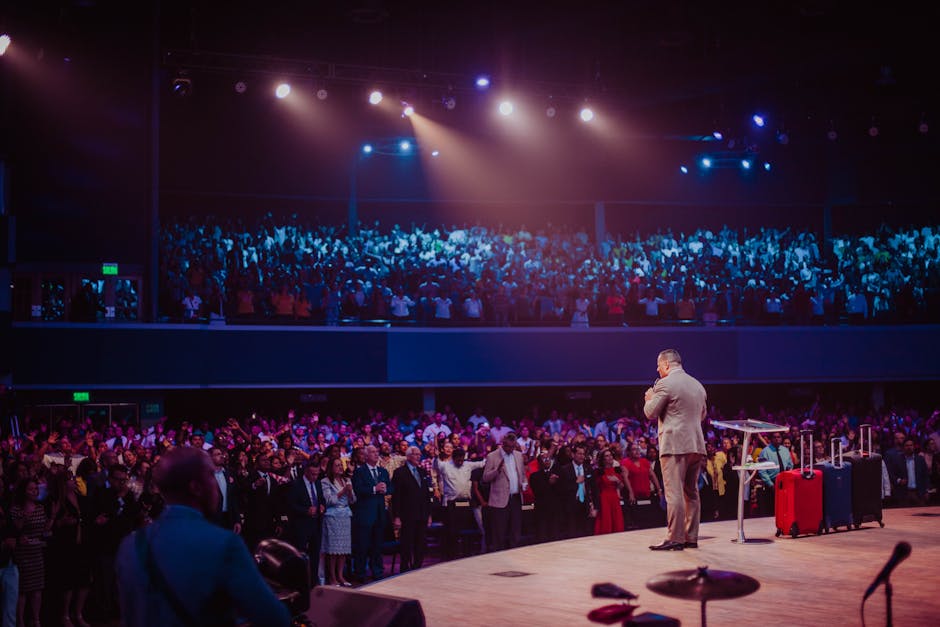
Attendee engagement goes up when you pull five levers: programme density, format mix, registration flow, host visibility and a 48-hour follow-up ritual. The biggest is density - swap one lower-rated parallel session for a protected, designed networking block. Most teams pull one lever and call it a strategy. Here is what each one does, and the numbers that tell you it worked.
Most organisers I speak to describe their engagement strategy as a list of activities - an app, a photo wall, a points scheme, a networking app, a happy hour. None of those things are engagement. They are tools that may or may not move the engagement number, depending on how they are used.
My take: engagement is the set of behaviours that show attendees did the things the programme was built for. Sessions attended. Conversations had. Follow-ups sent. Repeat attendance the year after. If a tactic does not move at least one of those, it is decoration.
That reframing is the entire point of this post. If you want to know how to increase event attendee engagement, the question is not which app to buy. It is which levers actually move the behaviours, and how to pull more than one of them at a time.
The engagement word is doing too much work
The data shows what happens when engagement gets used as a stand-in for everything. Freeman's 2025 Experience Trends Report, as reported by PCMA, found that only around 40% of organiser teams say they actively manage networking at their own events, while 51% of attendees cite networking as a reason they come back (Freeman via PCMA, 2025). That gap is the engagement problem in one sentence. The thing attendees say matters most is the thing organisers say they do not actively manage.
It is not just networking. The same gap shows up around session participation, sponsor interaction, post-event follow-up and audience intelligence. Each one is treated as a separate small project and none of them are the headline anyone runs at. So the word "engagement" ends up describing all of them at once - which means it describes none of them in particular.
The fix is not a bigger word. It is fewer levers, each one named and pulled on purpose.
The five levers that actually move engagement
Across the events I have looked at where engagement actually went up year on year, the same five levers come up. Not all five every time - usually three or four pulled deliberately, with one chosen as the headline.
Lever 1: Programme density
Most agendas are too full. Sessions back-to-back from 9 to 5 means there is no room for the meeting people actually came for. The single change with the largest effect is replacing one lower-rated parallel session with a protected networking block, designed rather than left open. Skift Meetings reported in 2024 that attendees consistently rate small-format and participatory sessions higher than traditional panels (Skift Meetings, 2024). The agenda is the engagement strategy in disguise.
Lever 2: Format mix
After density, the choice of format. The traditional keynote-and-panel agenda was built for broadcasting; engagement is participatory by definition. Roundtables, hosted small-format sessions, structured Q&A and unconference-style tracks each give attendees a way in. The mistake is running them all at once - a single well-chosen format swap each year is more useful than a buffet of new things.
Lever 3: Registration flow
The registration form is where the engagement strategy starts, whether you mean it to or not. Three short fields - role, one thing the attendee wants to learn, one thing they can offer - produce the data that powers every later lever. Long forms collect less, not more, because the drop-off curve hurts matching more than a missing field does. There is more depth in event registration data than most organisers realise.
Lever 4: Host visibility
The most under-used lever. When the host is visible on day one - opening the event, introducing the first networking block, naming the social ritual you want attendees to follow - adoption of every other engagement tool goes up. When the host hides behind the keynote, the social cost of trying anything new climbs. The host is the permission slip for everything else, and the first hour is where the permission gets granted. That is also why the first hour of a conference attendee's experience is more load-bearing than the keynote that follows.
Lever 5: Post-event ritual
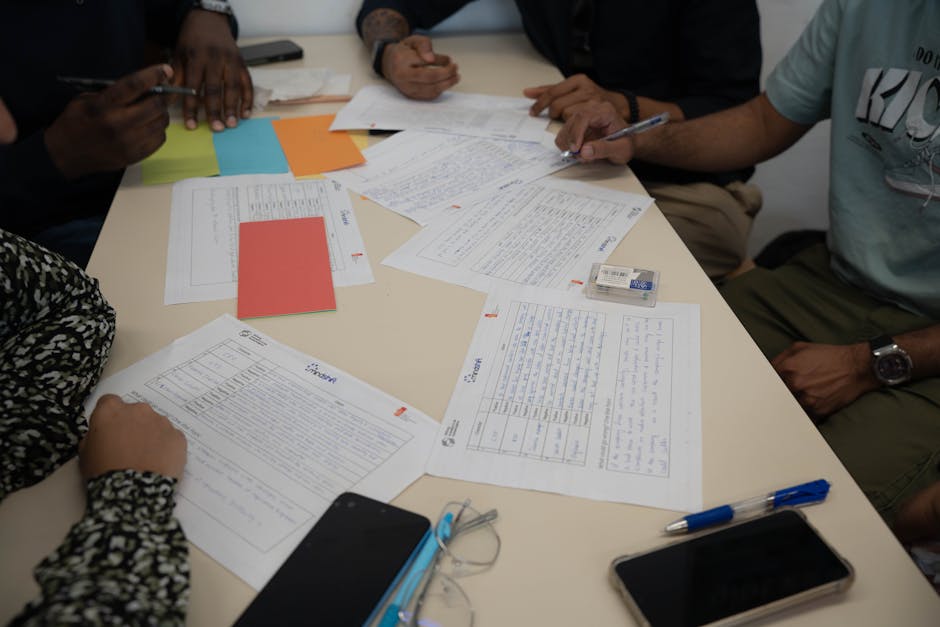
The lever most teams skip. Within 48 hours of the closing session, attendees need a structured way to keep the conversations they started - contact details, a short note back, a reminder of why each match was made. Without it, the value of the other four levers leaks out in a week. Event Manager Blog's 2025 engagement research found that attendees with structured pre-event connections attended materially more sessions than those without (Event Manager Blog, 2025)- and the same logic applies on the way out. Connections that are not closed off keep the engagement curve going long after the venue has emptied.
Where networking fits in the engagement picture
Networking is one of the five levers, not all of them. That is worth saying clearly, because the conversation about engagement has drifted toward networking-only thinking, and the bias creates a blind spot.
If you only manage networking, your sessions still empty out at 3pm, your sponsors still measure logo placements and your follow-up email still says "thanks for coming". If you only manage sessions, the meetings people came for never happen. Engagement going up is the result of two or three levers moving together - not one being polished while the others stay where they are.
For organisers who want to upgrade specifically the networking lever, the playbook is in the conference attendee engagement strategy post. For agenda-shaped engagement, see event agenda design for networking. Both are zoom-ins on a single lever from this post.
The things that feel like engagement but are not
Worth saying out loud, because these are where most engagement budgets go. Gamification and points produce activity, not engagement. They reliably lift app opens, scan counts and booth visits. They rarely move sessions attended, conversations had or repeat attendance the year after. The behaviour they reward is the behaviour you measure - and tapping a QR code is not the behaviour you actually wanted.
Photo walls, social media filters and prize draws are the same shape. Used sparingly and tied to a specific behaviour you want, they can help. Used as the strategy, they leave you with a busy app and a flat outcome. The polite name for this is "activity theatre". The honest name is decoration.
Sponsor activations land in the same bucket if they are designed for the sponsor and not the attendee. A branded coffee bar that nobody talks at is a logo that costs more. A branded matchmaking session, where the sponsor genuinely wants to meet attendees with a particular need, is engagement.

How to know engagement is going up
Engagement that is not measured cannot be increased on purpose. The four numbers that actually move when the levers move are sessions attended per attendee, accepted introductions per attendee, self-reported follow-up conversations and the share of attendees registered for next year inside 60 days.
Satisfaction scores are useful at the margin but they hide the thing you want to know. An event with a 4.2 score and falling repeat attendance is failing on engagement, whatever the score says. PCMA Convene's 2024 industry outlook flagged repeat attendance and audience retention as the metrics most likely to predict an event's survival into the next planning cycle (PCMA Convene, 2024)- which makes them the engagement metrics that matter most.
And helpfully, none of these four require a new platform. A short post-event survey, a clean badge or app data export and a registration list are enough to start. The point is to pick the numbers, watch them year on year and let them tell you which lever to pull next.
Want the template I use when I plan engagement into an event agenda?
I put a short operator's brief together - the three registration questions, the five-lever decision tree, the post-event follow-up template. Free, no email wall.
Frequently asked questions
What does event attendee engagement actually mean?
Event attendee engagement is the set of behaviours that show people are actively participating in the event you designed - attending sessions, joining conversations, asking questions, meeting the right people and following up afterwards. It is not satisfaction, it is not app downloads and it is not the photo wall. The useful working definition is: the share of attendees who did the things the programme was built for, and who left with something they will act on. Defined that way, engagement is countable, comparable year on year and movable on purpose.
How do I increase event attendee engagement without spending more?
Start with the levers that cost nothing extra. Tighten the registration form to three useful fields - role, what the attendee wants to learn, what they can offer. Cut one parallel track to leave protected networking time. Make the host visible on day one rather than just the keynote speaker. Send a structured 48-hour follow-up email with named contacts. None of these need new software. They need an organiser to choose engagement over filler.
What is the single biggest lever to increase attendee engagement?
Programme density - meaning how much breathing room you leave between content. Most agendas are too packed. Sessions back-to-back from 9 to 5 means there is no time for the meeting attendees actually came for. The single change with the largest effect is replacing one lower-rated parallel session with a protected, designed networking block. Skift Meetings reported in 2024 that attendees consistently rate small-format and participatory sessions higher than traditional panels, and that a tighter agenda with more space outperforms a fuller one.
Does gamification increase event attendee engagement?
Gamification increases activity, which is not the same as engagement. Points, leaderboards and prize draws reliably lift app opens, scan counts and exhibitor booth visits. They rarely lift the things that matter year on year - session attendance, conversations attendees describe as useful, follow-up rates, return rates. Used sparingly and on a specific behaviour you actually want, gamification can help. Used as the engagement strategy, it produces a busy app and a flat outcome.
How do I measure whether engagement is going up?
Pick four numbers and watch them year on year. Sessions attended per attendee from the badge or app data. Accepted introductions or matches per attendee from your matching tool or sign-up sheet. Self-reported follow-up conversations from a short post-event survey, asked at four weeks not on the way out the door. And the share of attendees who registered for next year within 60 days. If those four are flat or down, engagement is not increasing - whatever the satisfaction score says.
How early should I start designing for engagement?
The moment registration opens. The fields you ask for at sign-up shape every other engagement lever - matching, communications, sponsor briefing, post-event reporting. A registration form designed in the last week before launch is a registration form designed against engagement. Six to eight weeks of pre-event runway is the minimum if you want pre-event matching, personalised comms and a designed first hour to land.
About the author
Cate Trotter
Co-founder and Product Lead, All Along
Cate is co-founder and product lead at All Along. She's spent 15+ years helping organisations turn emerging tech into commercial results, and founded and sold two retail-focused businesses before building All Along. She writes about how events can turn networking from a happy accident into a repeatable outcome.
Connect on LinkedInReady to make networking the reason people come back?
All Along gives every attendee three people they should actually meet, and gives you a complete picture of what your audience wants.
More from Field Notes
How to increase member engagement without adding more content
The five steps I'd take to increase member engagement, in order, with the metrics worth tracking and the ones worth dropping.
A community manager job description that hires connectors
Most community manager job descriptions hire a content producer and wonder why retention doesn't move. Here's the one I'd write for a connector instead.
How to build the business case for event networking
Networking gets cut first because organisers pitch it as a vibe, not a business. Here's the case I write when a CFO is sharpening the red pen.