
The first hour of a conference matters more than the keynote
Around 40% of conference attendees in 2025 were first-timers (PCMA, 2025), yet the first hour is still designed for veterans who already know the room.
Co-founder and GTM Lead, All Along
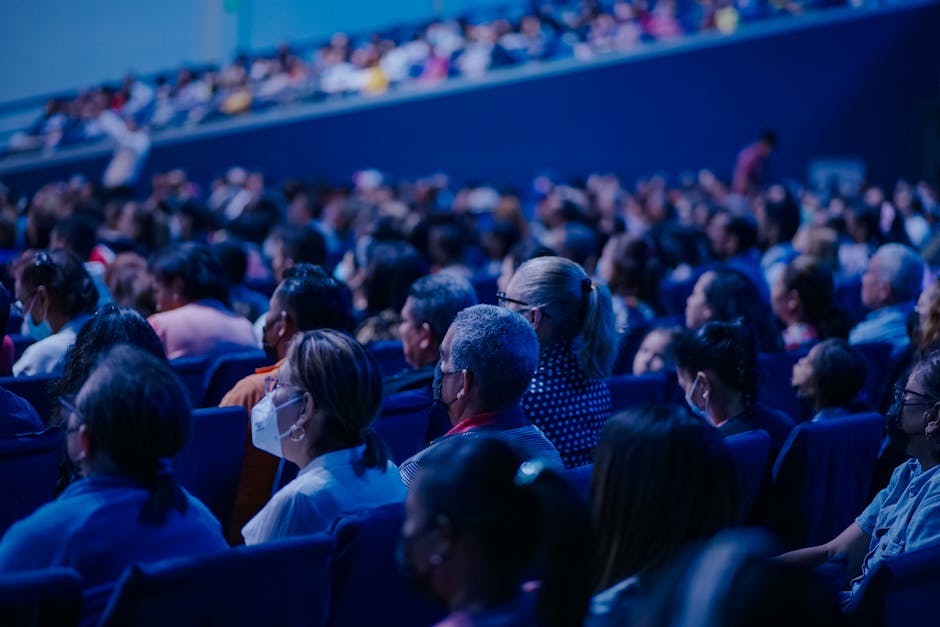
First-time attendees decide whether a conference is worth their time within 60 minutes of arriving, and around 40% of 2025 conference attendees were first-timers (PCMA, 2025). Three things change that hour: a pre-arrival briefing with names, a welcome desk that makes eye contact rather than handing out wristbands and a first session that forces gentle interaction. Most teams spend weeks on the keynote and an afternoon on the first hour after the doors open.
That is the hour that actually decides whether your event was worth it.
I have watched first-time attendees arrive at conferences they had paid a lot of money to attend, stand in the foyer for twenty minutes, fail to start a single conversation, and quietly tell themselves they would not come back next year. The keynote was excellent. They did not care by then.
The quiet failure of the first hour
The first hour is an onboarding problem dressed up as a logistics problem. Most organisers think of it as registration, queue management and maybe a coffee station. It is actually the moment when attendees decide whether they belong in the room.
If they feel lost, unwelcome or invisible in that window, the rest of the programme rarely recovers it. A great keynote helps. It does not undo the feeling of walking into a ballroom of strangers where everyone else seems to know each other and nobody has said your name out loud.
My take: the first hour is the most undervalued real estate in conference design. It is where the highest-leverage fixes sit and where almost nobody is looking.

Who is actually in the room
Here is the part most event teams underestimate. According to PCMA's 2025 research on association events, around 40% of conference attendees in a given year are attending that specific event for the first time. (PCMA, 2025) That number is even higher at growing conferences, newly launched events and any event that has pivoted audiences in the last two years.
And yet the opening hour is designed for the repeat attendee. The one who knows where the toilets are, who spots their industry group at the coffee station, who has three people to say hi to before the keynote starts.
If 40% of your audience is arriving cold, and you are designing the first hour for the 60% who already feel at home, you are systematically disadvantaging the biggest single cohort in your room. It is the same logic that makes event networking fail for introverts - the format assumes a kind of confidence most attendees do not walk in with.
The drop and scatter problem
The default first-hour experience at most conferences looks something like this. Attendee arrives. Gets badge. Is handed a lanyard and a tote bag. Is pointed toward coffee. Stands holding a coffee cup. Tries to make eye contact with strangers. Fails. Opens phone. Scrolls. Walks into the ballroom when the lights go down.
I call this drop and scatter. The organiser drops the attendee into the venue and scatters them across a large open room with no structure. It is the opposite of onboarding.
Drop and scatter is the default because it is logistically easy. It requires no staff training, no extra sessions, no thinking about emotional state. The problem is that it outsources the hardest part of the attendee experience - starting conversations with strangers - to the attendees themselves, at exactly the moment they are least equipped to do it.
A good first hour replaces the open room with gentle structure. Not a rigid agenda. Just enough scaffolding that nobody has to improvise their way into belonging.
Three interventions that move the needle
Three things, in order of leverage.
One. A pre-arrival briefing that does real work. 24 hours before the event, every attendee gets an email that does three things: names three people they should look out for (based on their stated goals at registration), walks them through the first hour step by step, and gives them one small thing to say when they arrive. This is not a logistics email. It is an emotional preparation email. If you do one thing from this list, do this one. It is also where pre-event networking earns its keep - a named contact on the other side of the door is the cheapest first-hour fix there is.
Two. A staffed welcome desk, not a badge station. The people at the front desk should be trained to talk to arrivals, make eye contact, use their name, and answer one question about the event. Most venues hand this job to the cheapest available staff and give them a clipboard. Invert that. The welcome desk is the most important staffing decision you make, because it is the first human interaction every attendee has with your brand.
Three. A structured first session before the keynote. Not an icebreaker in the cheesy sense. Something small, like a 15 minute table-based discussion with a specific prompt (for example: 'What brought you here and what would make the next two days worth it?'). Small groups. Named seats where possible. A gentle facilitator. That single session lets every attendee say their name out loud, hear one other person's story, and walk into the keynote with at least one face they recognise. It is also the best possible lead-in for the rest of the networking design for the event.
You can do all three of these without a new platform, a new venue or a bigger budget. You need about half a day of planning and one extra person on the door.
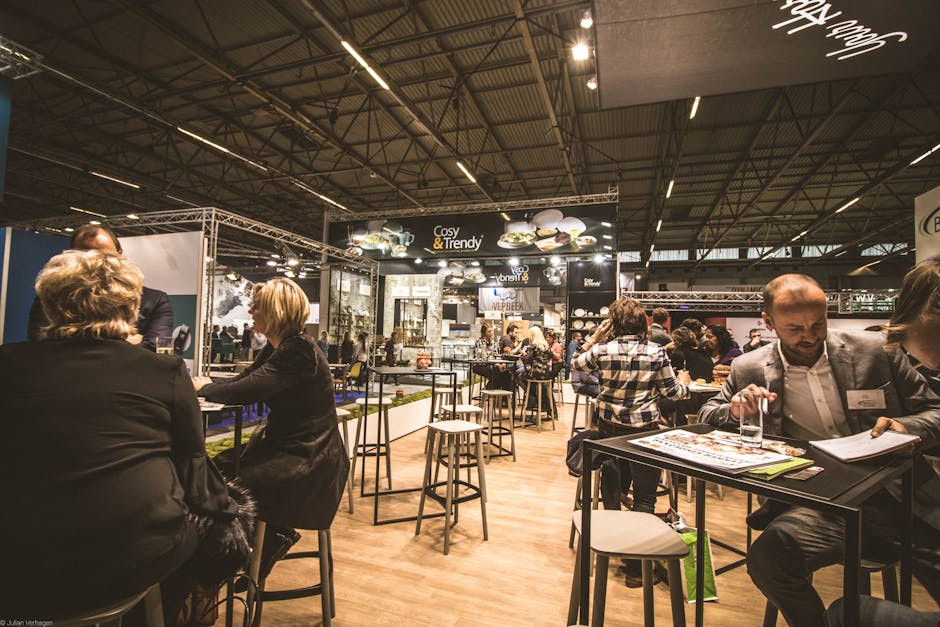
How to measure whether it worked
One question. Put it in your post-event survey: 'How did you feel 60 minutes after arriving?' Give a 1 to 5 scale and a free-text box.
Then split the answers two ways. First-timer versus repeat attendee. And Day-1 vs Day-2 responses. If first-timers are consistently rating the opening hour lower than repeats, your welcome experience is designed for the wrong cohort. If Day-2 answers are higher than Day-1 for the same attendees, your event warms people up - which is good to know but also a signal that you are losing some value from the opening window.
For a more structured view of which survey questions actually tell you something useful, we wrote a longer piece on how to measure event networking success. The short version: ask questions that force a specific answer, not ones that invite politeness.
There is also a longer-horizon version of this measurement: whether first-timers come back the following year. That is the single most honest signal of whether they felt welcome.
The bigger point
The keynote gets all the attention because it is easy to see. The first hour is invisible until it fails.
But for the 40% of your audience arriving for the first time, the first hour is the entire event until it proves otherwise. If you get it right, the rest of the programme lands on warmed-up attendees who feel they belong in the room. If you get it wrong, even the best keynote is playing to a room full of people quietly deciding not to come back.
If you want to see what a proper first-hour design looks like in practice, we built All Along partly to solve this exact problem - letting organisers walk every attendee in with named matches already in hand. Take a look at how that works for events, or run your current programme through our free networking gap calculator to see where the first hour is likely leaking value.
Frequently asked questions
Why does the first hour of a conference matter so much?
First impressions compound. Research on in-person experiences consistently shows that people form lasting judgements about an event within the first hour of arrival, and those judgements are difficult to reverse with good content later in the programme. For first-time attendees in particular, the opening window is where they decide whether they belong in the room and whether the event is worth their time, budget and future attendance.
What percentage of conference attendees are first-timers?
It varies by event type, but PCMA's 2025 research suggests around 40% of association conference attendees are attending a given event for the first time, with higher percentages at growing or newly relaunched events. Most organisers design the opening hour for repeat attendees who already know the format, the people and the layout - which systematically disadvantages the largest single cohort walking through the door.
What should organisers do in the first hour of a conference?
Three things move the needle most. First, send a pre-arrival briefing 24 hours before the event that names three people the attendee should look out for and explains the first hour step by step. Second, staff a welcome desk with people trained to actually talk to arrivals, not just hand out lanyards. Third, run a short structured opening session that forces gentle interaction before the keynote - not an icebreaker in the cheesy sense, but a small-group moment that lets people say their name out loud before the lights go down.
How do I measure whether the first hour of my conference is working?
Ask one specific question in your post-event survey: 'How did you feel 60 minutes after arriving?' Split the responses by first-timer versus repeat attendee. If first-timers are consistently rating the first hour lower than repeats, your opening experience is designed for the wrong cohort. You can also track whether first-timers return the following year - that is the single most honest signal of whether they felt welcome.
Should the welcome experience be different for first-time versus repeat attendees?
Yes, and most events already segment by ticket type or track - they just do not use that data to differentiate the welcome. At minimum, first-time attendees should get a different pre-event email sequence, a visible 'first time here?' signal at the check-in desk, and a warm handoff to at least one other person in the room. Repeat attendees can skip all of this and get straight to the coffee.
About the author
Alex Shiell
Co-founder and GTM Lead, All Along
Alex is co-founder and GTM lead at All Along. She spends her days talking to event organisers, associations and sponsors about what they need from networking - and turning those conversations into product and commercial decisions. She writes about the operational side of events: registration data, sponsor ROI, adoption and the organiser craft.
Connect on LinkedInReady to make networking the reason people come back?
All Along gives every attendee three people they should actually meet, and gives you a complete picture of what your audience wants.
More from Field Notes
Professional networking after hybrid working: the new geography
The cohort that buys conference tickets is now the cohort least likely to be in the office. That changes what the conference is for, and most organisers are still pricing it like 2019.
Why event networking matters more now than it used to
Meetings per person are up. Meeting length is down. Conferences are now the longest block of peer attention most professionals get all year, and most organisers still treat the networking around them as a side dish.
Which event session formats actually generate real conversations
Not all session formats are created equal. Some produce genuine conversation. Others quietly shut it down while everyone nods politely. The research is clearer than you might think.