
How to network effectively: a calmer, more human guide to real professional connections
Networking is not a performance. It is a small, repeatable habit - and success is how many connections you keep, not how many contacts you collect.
Co-founder and Product Lead, All Along
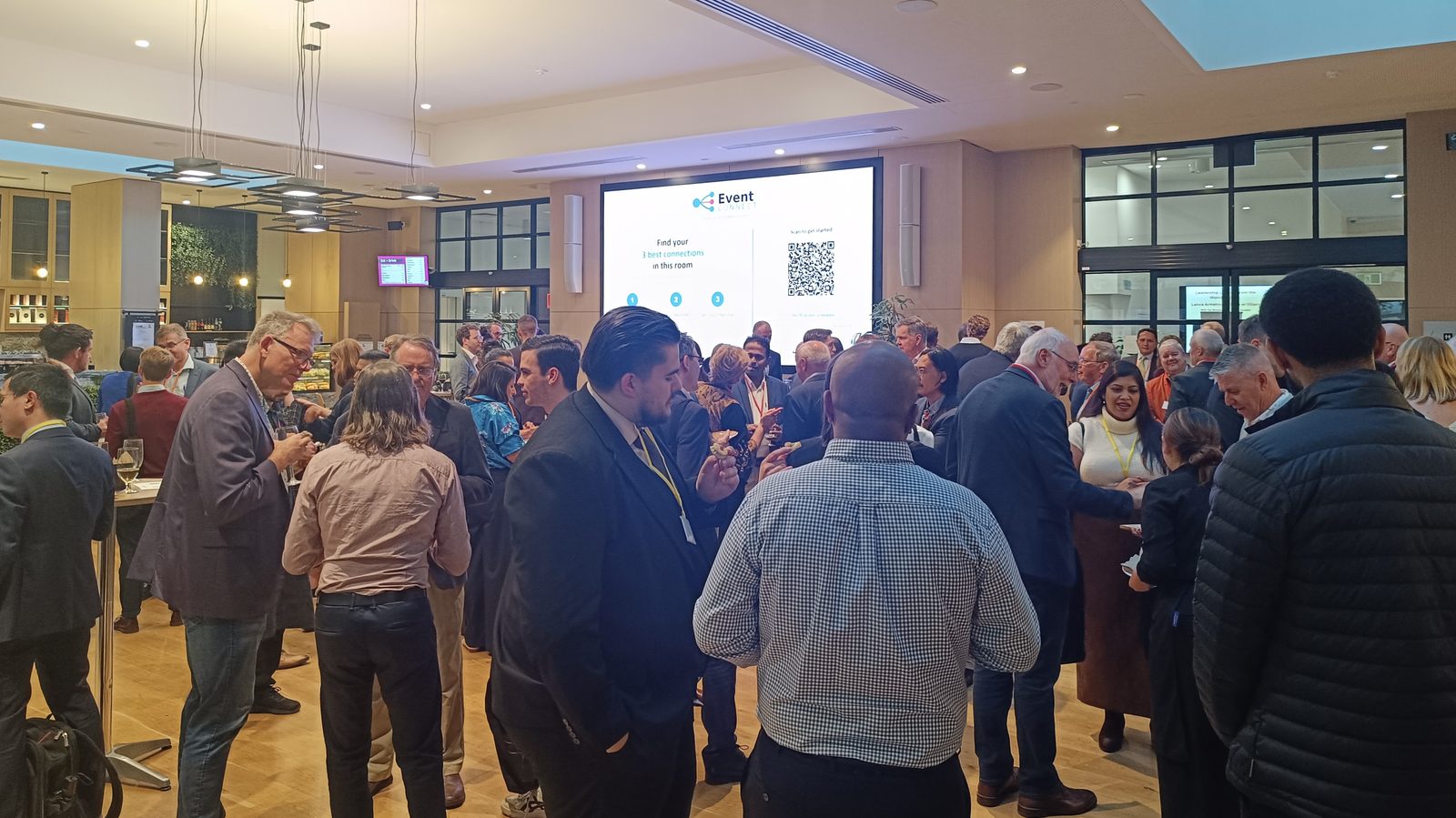
Effective networking is three real conversations and one week of follow-up. Aim for three people you genuinely talk to rather than thirty you say hello to, ask what each of them is working on before you say what you do, then send one specific message within seven days of meeting them. Judge it by how many of those people you still know a year later, not by how many contacts you collected.
At its most useful, networking is a simple habit. Clarify your purpose. Go in with intent. Have a few real conversations. Follow up before the week is out. That is it. Everything below is the unpacked version. If you are an event organiser rather than an attendee, the guide to increase event attendee engagement covers the same territory from the other side of the room.
Why networking works best when it feels human
A lot of people hear the word 'networking' and think of awkward small talk, business cards and LinkedIn requests from strangers. That version is not worth learning. A better framing, used by Intuition and World Business Forum, is that networking is simply building genuine professional relationships that support your growth over time. Success is not how many contacts you collect. It is how many connections you keep.
That framing matters because networking often feels forced at first. Headspace describes it as a task many people dread, and National Training notes that if traditional networking feels unnatural, you are not alone. Both point to the same fix: treat it as trust-building, shared learning and mutual value, and it becomes a skill you can practise rather than a personality test you either pass or fail.
A simpler way to approach it is in three parts. First, prepare so you know why you want to connect and what you can bring to a conversation. Second, focus on one genuine interaction at a time rather than trying to impress everyone in the room. Third, follow up while the conversation is still fresh. Do those three and the rest looks after itself.
Start before the event: get clear on your purpose

Good networking usually starts before you enter the room, join the call or send the message. A useful first step is simple self-reflection: get clear on who you are, what you are hoping to get from the interaction and what you can offer in return. That might be experience, ideas, introductions, feedback or real interest in someone else's work. Preparation like this is what makes networking feel intentional rather than transactional, as Launch Pad puts it.
Instead of trying to meet everyone, decide what a good outcome would look like for you. That could be three solid conversations, learning from a speaker or meeting people connected to a topic you care about. The sources that focus on meaningful networking, including ThunderLabs, consistently point back to purpose: when you know why you are there, it is easier to recognise which conversations are worth having.
Have a look at the agenda, speaker list, attendee profiles or the wider community context. You do not need deep research. A quick scan can help you spot shared interests, likely discussion topics and people who seem relevant to your goals. That is often what separates a good conversation opener from a generic one. At events using All Along, attendees who arrive with a shortlist of people they want to meet tend to have better conversations than those who walk in cold. The same principle holds for the first hour of a conference, where the decisions you make before the opening keynote shape the rest of the day.
A brief version of who you are, what you are working on and what you are interested in discussing is enough. You are not presenting yourself. You are opening a conversation that gives the other person something to respond to.
Taken together, these four moves - reflection, a clear goal, a quick scan and a simple introduction - make networking easier because they shift your attention from impressing people to connecting with the right ones.
Simple conversation moves that make a strong first connection
A good networking conversation usually starts with something small and easy to answer. The strongest reference material I found, including World Business Forum and United Co., frames networking as an exchange rather than a performance. The opener just needs to give the other person a comfortable way in.
Once the conversation is going, shift your focus from impressing to learning. ThunderLabs and Directors Box describe meaningful networking as building relationships that matter, rather than swapping details or trying to maximise the number of people you meet. Pay attention to what the other person is working on, what they care about and what they might actually need.
Three openers that work at almost any event (and more event networking icebreakers here if you want a longer list):
- Ask about the event, their work or what brought them there.
- Reference a specific talk or session you both sat through: 'what did you make of the closing panel?'
- Pick something concrete about where you both are: 'how did you end up at a construction-tech meetup on a Tuesday night?'
If you are shy, these moves matter more, not less. You do not need to act extroverted to network well. I have written a separate piece on networking as an introvert at events if that is closer to home. The short version: three real conversations is a good night, not a failure.
Turn a quick introduction into a lasting professional relationship
The real value of networking shows up after the first conversation. Most of the sources I read, including Adessa Partners and the NSW Small Business Commissioner, frame it as building meaningful relationships over time rather than swapping business cards or adding another contact online. That makes follow-up the point where a brief introduction starts to become a professional relationship.
A good next step is to reach out soon after you meet, while the discussion is still clear in both of your minds. Directors Box describes strong follow-ups as genuine, mutual and value-led rather than transactional. A stronger approach is to continue the conversation in a useful way. That might be sharing a resource you discussed, suggesting a next step or offering to make an introduction if it is clearly relevant. Small, specific actions show you were listening and that you see networking as a two-way relationship.
From there, the goal is simple consistency. Lasting professional relationships are built by nurturing the connection, not by sending one perfect message and disappearing. Check in when something relevant comes up, respond when you can add value and continue conversations that already have a shared interest. Over time, networking becomes more valuable when people trust that you will stay genuine, helpful and present.
Make networking easier with generosity and repetition
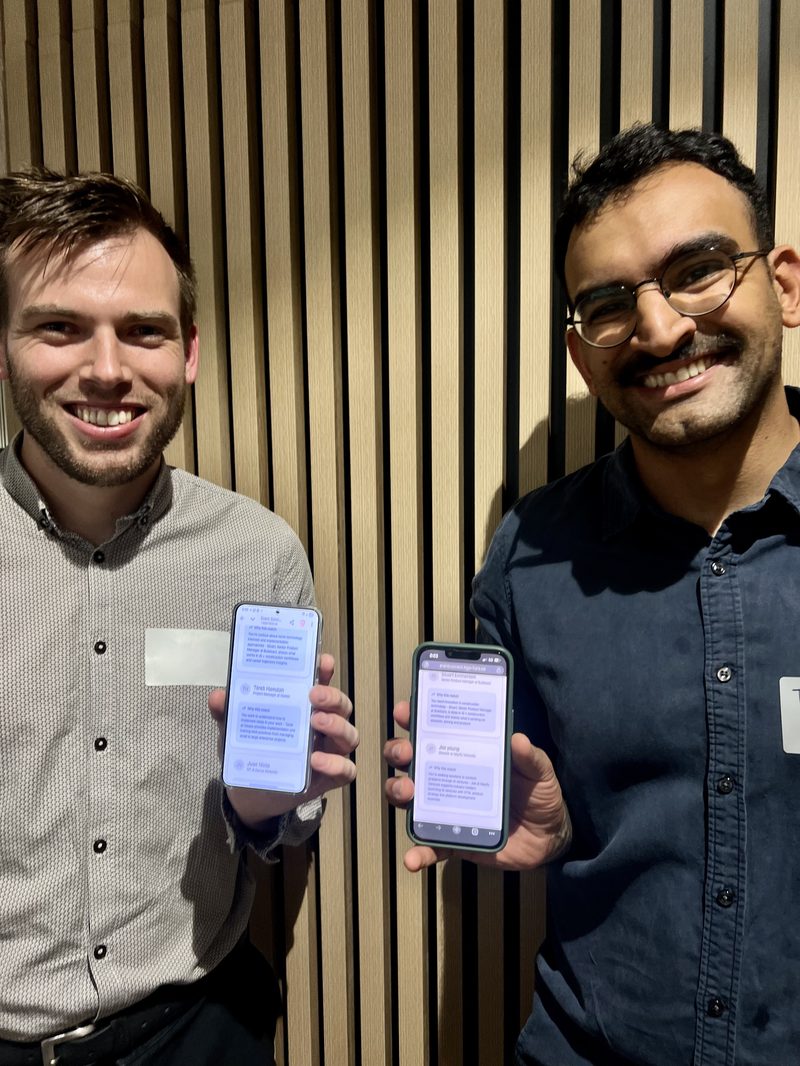
Good networking does not depend on being the loudest person in the room. Every useful source I read frames it as building genuine professional relationships, not collecting contacts or performing confidence. Consistency, curiosity and a willingness to add value matter more than trying to seem extroverted. If networking has felt forced in the past, that is usually a sign to simplify your approach, not give up on it.
A practical routine is enough to build momentum. Prepare a little before an event, meeting or online interaction. Aim for a few real conversations instead of trying to meet everyone. Follow up within the week. Treat networking as a repeated habit of showing up, listening well and staying in touch, and it gets easier every time. My take after a decade and a half of doing this: generosity compounds. The people who give more than they take end up with better networks, almost without trying.
Three things to sit with:
- Focus on real relationships, not just exchanging details.
- You do not need to become extroverted to network well.
- Prepare, have a few meaningful conversations and follow up.
If you are running the event rather than attending it, the same principles apply in reverse. The best thing you can do for attendees is make it easy for them to find the right three people and to follow up afterwards. That is the whole design brief for All Along.
Frequently asked questions
What should I say when I first meet someone at a networking event?
Start with a simple, easy question tied to the setting, such as what brought them to the event or what kind of work they do. Then share a brief introduction about yourself that gives them something relevant to respond to. The goal is to open a conversation, not to pitch.
Why does networking often feel awkward?
It usually feels awkward when it is treated as a performance or a rush to collect contacts. Reframing it as relationship-building - learning what someone is working on, and offering something useful in return - makes the process feel more natural and manageable.
How soon should I follow up after meeting someone?
Within the week is a good rule, while the details are still fresh for both of you. A short message that references something specific you discussed is a much stronger next step than a generic 'nice to meet you' note.
What makes a networking follow-up message more effective?
The best follow-ups feel personal and useful. Mention the specific topic you discussed and, if appropriate, share a relevant resource, suggestion or next step. Small, specific actions show you were listening and that you see networking as a two-way relationship.
How do I network if I'm shy?
You do not need to act extroverted to network well. A calmer approach works better: prepare in advance, aim for two or three genuine conversations rather than working the room, ask simple questions and follow up thoughtfully afterwards. Three real conversations is a good night, not a failure.
About the author
Cate Trotter
Co-founder and Product Lead, All Along
Cate is co-founder and product lead at All Along. She's spent 15+ years helping organisations turn emerging tech into commercial results, and founded and sold two retail-focused businesses before building All Along. She writes about how events can turn networking from a happy accident into a repeatable outcome.
Connect on LinkedInReady to make networking the reason people come back?
All Along gives every attendee three people they should actually meet, and gives you a complete picture of what your audience wants.
More from Field Notes
How to increase member engagement without adding more content
The five steps I'd take to increase member engagement, in order, with the metrics worth tracking and the ones worth dropping.
A community manager job description that hires connectors
Most community manager job descriptions hire a content producer and wonder why retention doesn't move. Here's the one I'd write for a connector instead.
How to build the business case for event networking
Networking gets cut first because organisers pitch it as a vibe, not a business. Here's the case I write when a CFO is sharpening the red pen.