
How to increase exhibitor ROI at events - the three levers that move the needle
60% of event teams do not actively manage networking (Freeman, 2025) - most exhibitors pay for footfall, not the conversations that follow.
Co-founder and GTM Lead, All Along
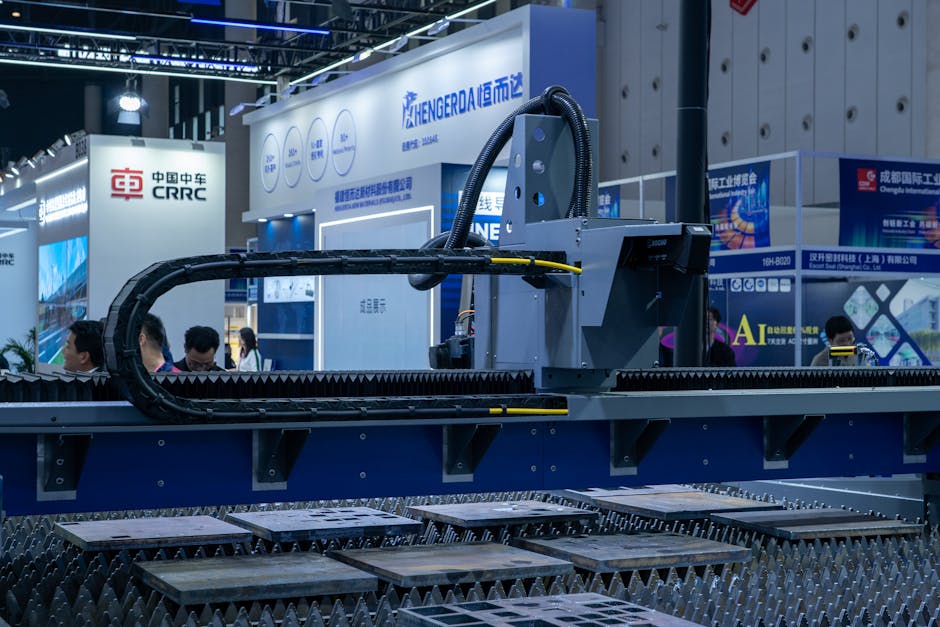
To lift exhibitor ROI, fix three things before the doors open: give exhibitors a real brief on who is in the room, book their meetings in advance rather than hoping for footfall, then agree a follow-up window for the week after the show. Measure the result as cost per qualified meeting, not badge scans. Here is how each lever works and where it usually breaks.
I have stood in a lot of exhibitor debrief rooms. The format is always the same. The booth manager scrolls through a list of badge scans, the sales lead asks how many turned into meetings, the marketing lead asks what the cost per lead came out at, and somebody in the corner says it was a good show because the booth was busy. Two months later the same team is on a procurement call, questioning whether to renew. The cycle repeats.
Exhibitors don't lose money because their booths are too small. They lose money because the room is opaque, the meetings are random and the follow-up rarely happens on time. Fix those three things and the booth maths look completely different - even with the same square metres and the same staff.
Why exhibitor ROI is sliding even as the market grows
The B2B trade show market is on track to exceed USD 35bn by 2030 (Grand View Research, 2025), but exhibitor satisfaction with networking ROI has been trending down for years. The volume is up. The connection quality is not.
Part of that is structural. Freeman's 2025 networking research found that 60% of event teams do not actively manage networking at all (Freeman, 2025). That includes the meetings exhibitors are paying for. Only 14% of organisers say it is their job to attract the right experts to networking moments and only 10% say it is their job to set the topics around which networking happens. The exhibitor is buying access to a room nobody is curating.
At the same time, the people walking the floor have less slack than they used to. Eurostat data shows 75.6% of EU business trips are three nights or fewer (Eurostat, 2025). That gives a buyer roughly two on-site days to extract value from a five-figure spend. Random booth-hopping does not work at that compression. Pre-booked, relevant meetings do.
Three levers move exhibitor ROI in a way the other variables do not: pre-event audience intelligence, matched leads, and a disciplined follow-up window. The rest of this post walks through each one. All three connect directly to increasing event attendee engagement - the more engaged attendees are, the more productive exhibitor meetings become.
How does audience intelligence change the booth before it opens?
The exhibitors that consistently outperform are the ones who walk in already knowing who is in the room. That is not a personality trait. It is a data product organisers can hand them.
A pre-event audience intelligence report - generated from registration data - tells an exhibitor which segments of the audience are likely to be relevant, what those attendees said they want to discuss, what topics have demand without supply, and how the seniority mix is weighted. None of that is exotic. Most of it sits in the registration database already, ungrouped and unused.
The lift comes from acting on it. An exhibitor who arrives knowing that 27% of attendees flagged cybersecurity in healthcare as a topic of interest, and that the senior buyer cluster skews to head-of-IT roles in mid-market hospitals, can rebuild the booth narrative in a day. The conversations on stand start with the right framing, the demos focus on the right use cases, and the staffing rota matches the times the relevant cohort is most likely to walk past. Compare that to the standard exhibitor briefing - "expect about 1,800 attendees, mostly from healthcare" - and the difference in preparation is obvious.
Underneath all of this is the registration form itself, which is the single most underused asset in event management. The questions that unlock real audience intelligence are about intent, not identity. What do you want to discuss? What can you offer? What problem are you trying to solve? An organiser who collects that data has the raw material for an audience brief sponsors and exhibitors will actually pay more for. Tools like All Along generate this brief automatically from registration data - topic demand, seniority mix, segment overlap with each exhibitor's ICP - so the report exists before the organiser has time to build one manually.
Why are matched leads worth more than scanned badges?
A scanned badge is a list. A booked meeting with a brief is a conversation. The economics of those two outputs are not in the same league.
The badge-scan model assumes lead volume is the goal. It is not. Most exhibitors discover, six weeks after the event, that 70% of the scanned badges did not respond to a single follow-up email and the remaining 30% needed multiple touches before any of them booked a call. The lead-list looked impressive in the post-event report. The pipeline did not.
Pre-event matching changes the unit of value. Instead of harvesting badges and waiting, an organiser uses the registration data to broker meetings between exhibitors and relevant attendees before the event opens. Each match arrives with one-line context: why this person, what they want to discuss, what the exhibitor can help with. The booth conversation starts at minute three rather than minute thirty. The follow-up has a real reference point.
Freeman's 2025 research is direct about why this matters from the attendee side too: 51% of attendees say successful networking is a reason to return (Freeman, 2025). The exhibitor relationship is downstream of that. If attendees go home with one or two conversations that mattered, they renew their pass. If exhibitors go home with twelve booked meetings that mattered, they renew their stand. The mechanism behind both renewals is the same piece of plumbing - a curated set of introductions delivered before the event opens.
This is also where structured matching genuinely helps - not because the algorithm is mysterious, but because brokering 1,200 deliberate matches by spreadsheet is a job nobody on the events team has time for. Done well, the matches arrive explainable, editable and auditable - the opposite of a black box. All Along, a matching and audience intelligence platform built specifically for events, runs on this principle - the organiser sees why each pair was suggested and can edit the rules before the matches go out.

What does the post-event window actually decide?
The first two weeks after an event decide more of the exhibitor outcome than the three days at the event itself. Most exhibitors get this almost exactly the wrong way around.
The default exhibitor follow-up sequence looks like this. Three weeks after the show, somebody on marketing pulls the badge-scan list out of the CRM and triggers a generic email titled "Thanks for stopping by". The buyer, who has had a fortnight of meetings since, has no recollection of the conversation. The email goes unopened. The opportunity is lost.
The cadence that works is short and specific: a personalised note inside 48 hours referencing what was actually discussed, a useful piece of content - not a pitch - inside seven days, and a meeting invite or proposal inside 30 days. Exhibitors who run that sequence consistently convert more conversations into pipeline than exhibitors who batch-send a generic recap. PCMA's coverage of the post-event engagement work makes the same point from the organiser side - the events that move NPS by the biggest margins are the ones designed around peer connection rather than programming (PCMA, 2026), which is exactly what a good exhibitor follow-up cadence reinforces.
What does a good exhibitor ROI benchmark look like?
The right exhibitor metric is cost per qualified meeting, not cost per impression or cost per badge scan. Everything else is decoration.
Take the all-in spend - booth, build, travel, staff time, collateral, on-stand entertainment - and divide by the number of conversations that ended in a clear next step. A booth that delivers 30 qualified meetings over two days at a £20k spend is around £667 per qualified meeting. Compare that to your normal cost per qualified meeting on paid acquisition. If the event number is lower, exhibiting is working. If it is meaningfully higher and trending up, you have a design problem that no booth design will fix.
It is worth flagging what this benchmark does not include. Exhibitor ROI is not just sales pipeline. Brand exposure, competitive intelligence, partnership conversations, hiring leads and post-event press all sit on the ledger. But these are easier to evaluate when the meeting count is real. A booth that delivers volume and texture both is a booth that books renewal. A booth that delivers neither becomes a procurement conversation.
How to actually start - the operator's checklist
For organisers who want to lift exhibitor ROI in the next event cycle, the work is more operational than strategic. Five steps in order:
- Add intent questions to registration. What attendees want to discuss, what they can offer, and which exhibitor categories are relevant. The data layer underneath everything else.
- Build exhibitor profiles with the same fields. Mirror the attendee questions on the exhibitor side. Without exhibitor data, matching is one-sided guesswork.
- Run pre-event matching 7 to 14 days out. Aim for 12 to 20 pre-booked meetings per exhibitor with one-line context for each side.
- Brief exhibitors with an audience intelligence report 48 hours out. Topic demand, seniority mix, segment overlap, names matched. No fluff.
- Run a 48-hour, 7-day, 30-day follow-up cadence. Personal note, useful content, meeting invite. Most exhibitor pipeline is won or lost in this window.
None of this requires a bigger booth, a louder booth or a fancier giveaway. It requires the organiser to treat exhibitor outcomes as something to design, not something to hope for. The exhibitors who renew next year are the ones who came home with twelve booked meetings, a clean follow-up list and an audience intelligence report they could take to their internal team. The ones who didn't are already on a procurement call.
Give your sponsors and exhibitors something worth paying for next year.
All Along turns your registration data into a pre-event audience brief sponsors and exhibitors actually read - topic demand, seniority mix, segment alignment - and brokers the matches that turn the booth into a meeting room. The opposite of a logo-placement report.
Frequently asked questions
How do you measure exhibitor ROI at an event?
The honest metric is cost per qualified meeting, not cost per badge scan. Take the all-in exhibitor spend (booth, travel, staff time, collateral) and divide it by the number of conversations that ended in a clear next step - a meeting booked, a sample requested, a quote sent. Compare that to your normal cost per qualified meeting on paid acquisition. If the event number is lower, exhibiting is working. If it is higher and trending up, you have a design problem, not a budget problem.
What is the single biggest lever to increase exhibitor ROI?
Pre-event matching. Most exhibitors walk in blind, trusting that the right buyers will drift past the stand. Organisers who use registration data to broker pre-booked meetings between exhibitors and relevant attendees consistently report higher exhibitor satisfaction and stronger renewal numbers. The matched leads arrive with context, the conversation starts at minute three rather than minute thirty, and the booth becomes a meeting room rather than a fishing rod.
Should exhibitors collect leads or book meetings?
Both, but in that order: book the meetings you can in advance, then use the rest of the booth time to qualify the walk-up leads against your ideal customer profile. The mistake most exhibitors make is treating every scanned badge as a lead. A scanned badge is a list. A booked meeting with a brief is a conversation.
How long is the post-event follow-up window?
The first two weeks decide most of the outcome. Send a personalised note inside 48 hours referencing what was discussed, a useful piece of content (not a pitch) inside seven days, and a meeting invite or proposal inside 30 days. Exhibitors who stick to that cadence convert noticeably more conversations into pipeline than exhibitors who batch-send a generic 'thanks for stopping by' three weeks later.
How can organisers make their event work harder for exhibitors?
Three moves. First, ask a richer set of questions at registration - what attendees want to discuss and what they can offer, not just where they work. Second, use that data to broker pre-event matches between exhibitors and relevant attendees, with brief context attached. Third, share an audience intelligence report with each exhibitor before the doors open and an outcome summary after. The exhibitors who get those three things have an easy renewal conversation. The ones who get a logo on a banner do not.
About the author
Alex Shiell
Co-founder and GTM Lead, All Along
Alex is co-founder and GTM lead at All Along. She spends her days talking to event organisers, associations and sponsors about what they need from networking - and turning those conversations into product and commercial decisions. She writes about the operational side of events: registration data, sponsor ROI, adoption and the organiser craft.
Connect on LinkedInReady to make networking the reason people come back?
All Along gives every attendee three people they should actually meet, and gives you a complete picture of what your audience wants.
More from Field Notes
How to increase member engagement without adding more content
The five steps I'd take to increase member engagement, in order, with the metrics worth tracking and the ones worth dropping.
A community manager job description that hires connectors
Most community manager job descriptions hire a content producer and wonder why retention doesn't move. Here's the one I'd write for a connector instead.
How to build the business case for event networking
Networking gets cut first because organisers pitch it as a vibe, not a business. Here's the case I write when a CFO is sharpening the red pen.