
Infrastructure summit networking: a playbook
Infrastructure summits sit on real procurement pipelines - owners, EPCs, regulators and financiers in one room, where an introduction can move a contract.
Co-founder and Product Lead, All Along
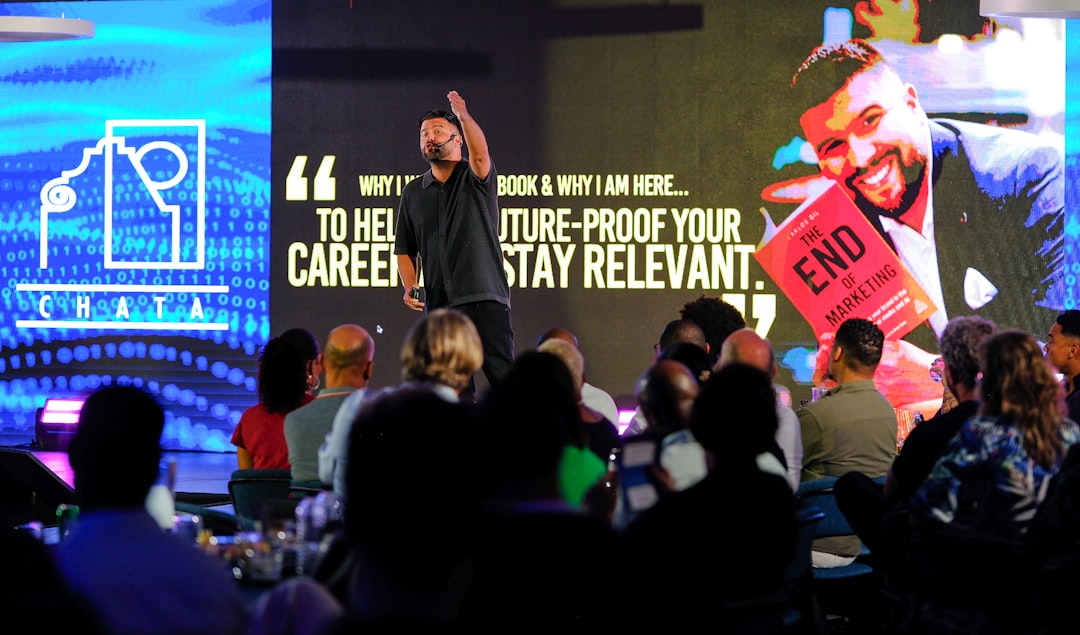
Infrastructure summits are buying events, so design the networking for procurement rather than the agenda. Five moves do most of the work: matched introductions arranged before the doors open for the most senior delegates, matching by project stage rather than discipline, site-visit micro-tracks, sponsor showcases framed around a stated buyer problem and a 90-day follow-through cadence. The rest of this piece is how each move works, and where most summits lose the follow-up.
Of all the events I work on, the infrastructure summit is the one I find easiest to argue for. Most events are a content vehicle with networking bolted on. The infrastructure summit is the opposite. The content is the alibi. The reason the room is full is that a billion-pound pipeline of projects is sitting on the lanyards, and everyone in attendance knows it.
Project owners. Tier-one contractors. Engineering and design houses. Equipment suppliers. Financiers. Regulators. Each of them is trying to figure out who they need to know before the next procurement window opens. And yet, when I look at the typical infrastructure summit agenda, I see an event that has been designed as if the headline keynote is the product. It is not. The introductions are.
This post is the playbook I would write for an organiser running one of these events. Some of it will read as obvious. Some of it costs money. None of it requires anything more complicated than the data the registration form already collects, used properly. The same logic applies to corporate event networking of every kind, including networking at fintech conferences - infrastructure summits just make the stakes unusually legible.
The infrastructure circuit is its own thing

The infrastructure circuit has changed shape over the past decade. Corporate-run events now make up 52% of all UK conferences and meetings, with public sector at 28% and associations at 20%. (UK Conference and Meeting Survey 2025, UKevents) Twenty years ago the dominant format was the association annual conference - members came for CPD, swapped business cards over dinner, and left. The dominant format now is the corporate-anchored project summit, often with a government partner and an industry body riding alongside. The buying audience is the same. The structure has changed.
On the demand side, governments have started underwriting these events as economic infrastructure. Canada's International Convention Attraction Fund has secured 116 international events since March 2024 - $803.3 million in direct economic impact, $17 returned per $1 invested, and a 72% bid-win rate. (Destination Canada, March 2026) Among the named wins are international congresses in road engineering, geology, oncology and manufacturing. Governments are bidding for these summits because they understand the downstream procurement and supply-chain activity they generate.
On the supply side, the planner workforce keeps growing. The US Bureau of Labor Statistics projects 5% growth in meeting, convention and event planner roles from 2024 to 2034, with around 15,500 openings each year - faster than the all-occupation average. (BLS Occupational Outlook Handbook, 2024) The category is not contracting. It is professionalising.
My take: the infrastructure summit is one of the most under-designed event categories in the calendar, given how much commercial weight it carries. Treat it like a generic conference and the room walks past itself. Treat it like a buying event with a content wrapper and the entire economics change.
Why most summits leak the thing they are known for
I will pick on one design pattern. Almost every infrastructure summit I attend has the same first day: 9am keynote, three concurrent technical streams, a long lunch, two more streams, drinks reception. The networking is in the lunch and the drinks. The match is whoever happens to stand next to whoever in the queue.
That works fine for a 200-person association event where everyone knows half the room already. It does not work for a 1,200-person summit where the senior buyer flew in from another jurisdiction, has a 36-hour window, and is not going to gamble it on a coffee queue.
The result is the leak that infrastructure organisers do not measure but everyone notices. The sponsor pays for a stand. Two of the right buyers walk past it on day one without stopping. By day two, those buyers have left. The sponsor's account team writes up the event as soft. The sponsor renews at half the value, or not at all. The organiser blames the economy.
The economy is not the problem. The design is. The very thing the summit is famous for - bringing the right people into the same room - is the thing the agenda is least intentional about delivering.
Designing for the room you actually have
The most useful reframe I can offer is this: the registration form is the most important piece of content in the entire event. It is the only piece of content the senior buyer will fill in personally, and it is the only place the organiser can ask them what would make the trip worth it.
The four questions I would always include on an infrastructure summit registration form: which projects are you currently working on; which procurement or supplier decisions are you about to make in the next twelve months; what type of conversation would make this trip worth your time; and which two or three companies or roles would you most like to meet. Those four questions turn the delegate list into something the organiser can actually match against - the audience intelligence you are giving sponsors, the matched introductions you can run, the hosted dinners you can curate.
From there, the agenda has to do something the typical conference agenda does not. It has to reserve time and physical space for designed connection. Not 'networking lunch'. A forty-five minute matched introduction block, scheduled, named, with a curated list of people each delegate has been assigned to meet. This is what we built All Along to handle for organisers - the matching, the scheduling, the explanation - because doing it on spreadsheets stops working past about 200 delegates.
I think the unspoken rule in infrastructure event design is that anything that looks like speed-dating is beneath the senior audience. I disagree. Senior buyers love structured meetings. What they hate is wasted time. A pre-matched, pre-briefed twenty-minute introduction with a named counterpart is the opposite of wasted time. The thing they are suspicious of is the random bingo card.
Five moves I would borrow
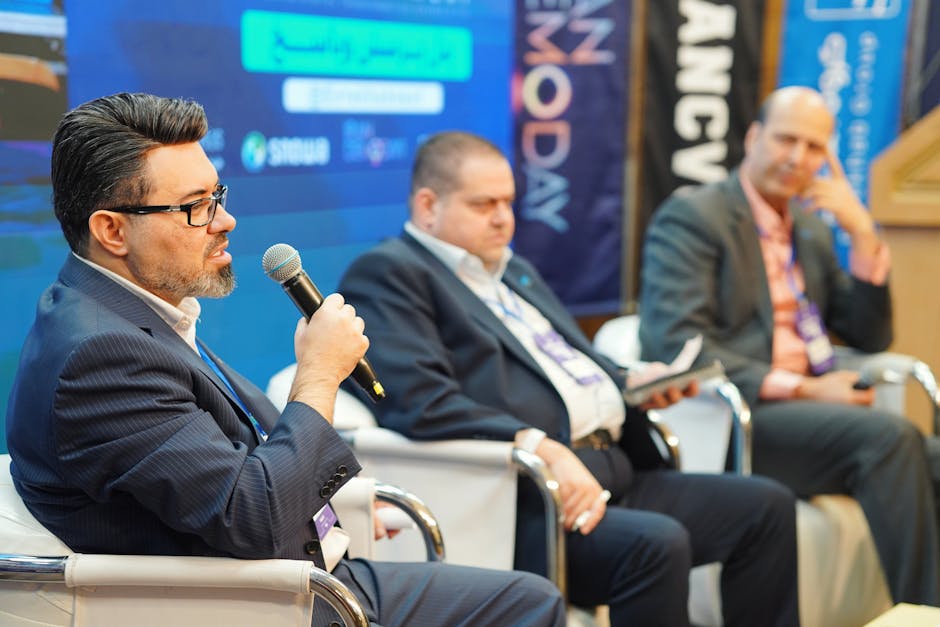
These are the five moves I have seen consistently work at infrastructure summits, in roughly the order I would adopt them.
One. Pre-event matched introductions for the senior 10%. Identify the delegates whose presence is the reason the room exists - typically project owners and senior procurement leaders - and run a curated matching round for them before the event. Three or four named meetings, agreed by both parties, scheduled into the agenda. This is where the value of the summit lives. Do this and the senior cohort comes back next year. Skip it and you are running a content event for a buying audience.
Two. Match by project stage, not just discipline. A roads engineer looking for a stormwater technology supplier and a roads engineer looking for a financing partner have nothing useful to say to each other. The matching dimension that matters most on infrastructure projects is procurement stage - feasibility, design, tender, build, operation - because that determines who someone needs to talk to. Most matchmaking platforms collect discipline and seniority. Add stage and the quality of matches jumps.
Three. Build at least one site-visit micro-track. Senior buyers will clear their diary for two things: a meeting with a specific counterpart, or a tour of a relevant project site. The site-visit format is also the best networking environment infrastructure events have, because the conversation has a shared subject. A two-hour bus to a construction site is worth more than a half-day track of panels.
Four. Sell sponsor packages around buyer problems. Stop selling logo placements. Sell access to the eight buyers who said, on the registration form, that they are evaluating tunnel ventilation systems in the next twelve months. Sponsors in infrastructure already think this way internally - they run pipeline-per-event reporting on their stand investments. Meet them where they are. The sponsor data conversation you should be having is the one your sponsors are already having internally.
Five. Bake follow-through into the post-event email. Most events send a thank-you email and a survey. The infrastructure summit version has to do more, because the procurement decisions the event seeded happen six to eighteen months later. A 90-day cadence - week one, day thirty, day ninety - that resurfaces each delegate's stated follow-ups and asks whether the conversation went anywhere is a small piece of work that radically changes the data you have at renewal time.
How to tell it worked
The metric infrastructure organisers default to is delegate count. It is the wrong one. A 500-delegate summit where 60 buyers met five named counterparts each is, commercially, a better event than a 1,500-delegate summit where 200 attendees rated the keynote 4.6 out of 5.
The four numbers I would track instead: connections per attendee (how many named meetings each delegate had), intent-stated follow-ups (the share of delegates who, in the post-event survey, name a specific person or company they want to follow up with), 90-day follow-through rate (whether those follow-ups actually happen), and sponsor pipeline per event (how many qualified sales conversations each sponsor takes home). Measuring event networking success is a separate craft - but on infrastructure summits these four numbers tell you almost everything you need to know about whether the event earned its place on the calendar.
Freeman's 2025 networking trends report found that 51% of attendees say effective networking alone justifies returning to an event next year. (Freeman, 2025) On infrastructure summits, where the buyer profile is more senior and more time-poor than the average conference, I would expect that number to be higher, not lower. The summits that retain the senior cohort are not the ones with the best speakers. They are the ones where last year's introductions turned into this year's projects.
That is the bar. It is not a high bar. It is not even an expensive bar. It is mostly a question of deciding that the summit's job is to make the right people meet, and then designing the agenda around that decision rather than around content streams. The organisers who make the shift hold their senior audience. The ones who do not slowly lose them to the events that did. Worth getting right early.
Want the template I use when I plan networking into an infrastructure summit?
A short operator's brief - the four registration questions, the project-stage matching decision tree, the 90-day follow-up cadence. Free, no email wall.
Frequently asked questions
What is an infrastructure summit?
An infrastructure summit is a business event built around a specific industrial or built-environment sector - examples include road and rail, airports, water and energy networks, defence infrastructure, digital and data infrastructure, and major capital construction. The defining feature is the procurement context: delegates are typically a mix of project owners (government agencies, infrastructure investors, asset operators), engineering and construction firms, technology and equipment suppliers, regulators and financiers. Unlike a general business conference, the room is connected by a shared project pipeline rather than a job title or interest.
Why is networking different at an infrastructure summit?
Two reasons. First, the buying cycle is long and multi-party - a single project can involve a dozen organisations across procurement, design, financing, construction and operation, so introductions made at the summit often determine which firms get on which shortlists six to eighteen months later. Second, the senior buyer profile is unusually time-poor and travels long distances. They will not stand in a coffee queue for forty minutes waiting to bump into the right counterpart. Networking has to be designed to find them and bring the right person to them, or it is wasted.
How do you design networking at an infrastructure summit?
Start at registration. Ask each delegate which projects they are working on, which procurement decisions they are about to make, and what type of conversation would make the trip worthwhile. Use that data to make pre-event matched introductions - especially for the senior 10% of the attendee list, where the value is concentrated. Build at least one micro-track around a site visit or a project case study, because that is the format senior buyers will actually clear their diary for. Frame sponsor packages around stated buyer problems, not logo placements. And design the post-event communications around a 90-day follow-through cadence, not a thank-you email.
What metrics matter for infrastructure summit networking?
Connections-per-attendee, intent-stated follow-ups (the share of delegates who, in a post-event survey, name a specific person or company they want to follow up with), 90-day follow-through rate (whether those follow-ups actually happen), and sponsor pipeline-per-event (how many qualified sales conversations a sponsor takes home). Attendance numbers, session ratings and app installs are inputs, not outcomes. The sponsor renewing the next year does not care that 87% of delegates rated the keynote 4 stars - they care that their team booked nine meetings that turned into three pipeline opportunities.
Are infrastructure conferences growing or shrinking?
Growing, on every measure I have looked at. The UK conference and meetings industry contributed £19.3 billion in direct expenditure in 2024 and hosted 1.08 million conferences and meetings, with corporate-run events the largest and fastest-growing share (UK Conference and Meeting Survey 2025). The US Bureau of Labor Statistics projects 5% growth in meeting, convention and event planner roles between 2024 and 2034 - faster than the all-occupation average - with around 15,500 openings each year (BLS Occupational Outlook Handbook, 2024). The infrastructure circuit specifically has not shrunk; it has shifted from association-led to corporate- and government-anchored formats.
About the author
Cate Trotter
Co-founder and Product Lead, All Along
Cate is co-founder and product lead at All Along. She's spent 15+ years helping organisations turn emerging tech into commercial results, and founded and sold two retail-focused businesses before building All Along. She writes about how events can turn networking from a happy accident into a repeatable outcome.
Connect on LinkedInReady to make networking the reason people come back?
All Along gives every attendee three people they should actually meet, and gives you a complete picture of what your audience wants.
More from Field Notes
B2B event networking for sales teams: a three-touch framework
Sales teams arrive at B2B events with a budget, a quota and no plan. The teams who do this well treat the event as the middle of a conversation, not the start.
The case for transparent event matchmaking
If an attendee asks why they were paired with someone, an organiser who cannot answer has a product problem, not a communication problem.
Event networking by event type: one framework, six formats
One networking format does not fit six different kinds of event. Three questions that tell you the design any event type actually needs.