
Trade show networking fails - and it is not the booths' fault
The global B2B trade show market is projected to exceed USD 35 billion by 2030 (Grand View Research, 2025), even as exhibitor satisfaction keeps falling.
Co-founder and GTM Lead, All Along
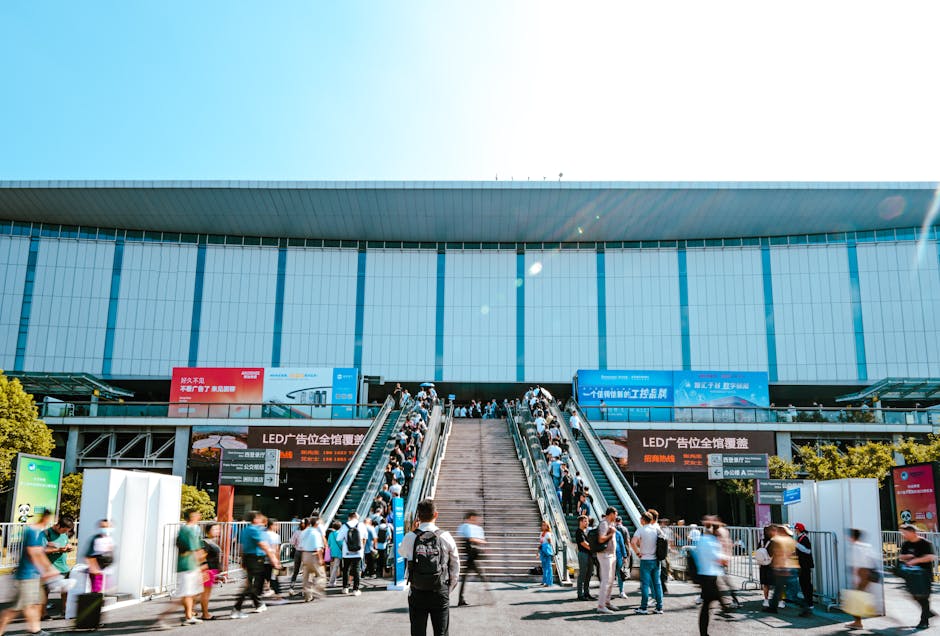
Trade show networking fails because the show floor is optimised for footfall, not conversation. The booth is a fine advertising unit and a poor networking one - it is noisy, it is public and no buyer wants to talk budget in front of a competitor. Four things fix it: pre-show matching between exhibitors and buyers, scheduled meetings in private rooms, curated buyer breakfasts and a follow-up written for buyers. Here is how to build each one.
Trade shows have a weird relationship with networking. On one hand, networking is the entire reason exhibitors pay for a booth. Every marketing page promises 'meet the decision-makers', 'connect with buyers' and 'quality leads at scale'. On the other hand, the product exhibitors actually buy is a rectangle of carpet and the right to hand out business cards in it.
Those two things are not the same. And the gap between them is where most trade show networking quietly fails, year after year.
This is not a new problem. What is new is that exhibitors have got better at measuring the commercial outcome of attending - and the numbers are making the gap harder to ignore. Trade shows sit at the sharp end of corporate event networking - the commercial stakes are the most visible and the gap between promise and delivery is the most measurable.
The show floor trap
Most trade show organisers optimise for footfall. It is the metric that sells booths. How many badge scans walked past stand A12. How many attendees came through the doors on day one. How busy the aisles looked at 11am on Wednesday.
Those numbers are easy to collect and easy to put on a sell sheet. They are also almost completely disconnected from the commercial outcome exhibitors care about, which is 'how many real conversations did I have with actual buyers'.
The global B2B trade show market is projected to exceed USD 35bn by 2030 according to Grand View Research, 2025. (Grand View Research, 2025) That is a lot of money chasing a networking outcome that the format itself is not designed to deliver.
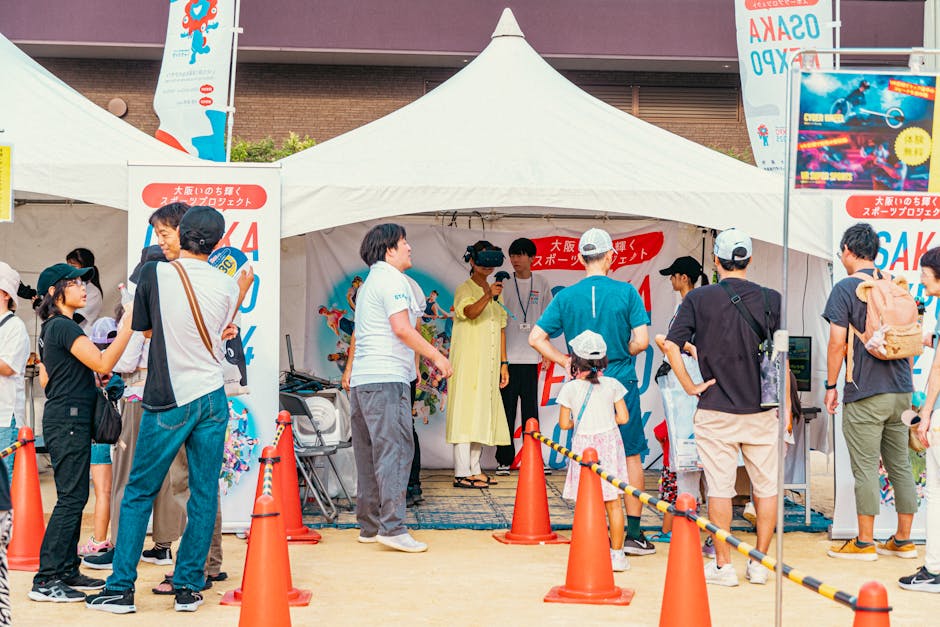
What exhibitors actually want
Every exhibitor I have spoken to in the last two years has said some version of the same thing. 'We do not need more leads. We need fewer, better meetings with people who actually have budget.' That is the sentence that should be driving trade show design. Right now, it is not.
The commercial math is straightforward. An exhibitor pays a fixed cost for a booth and staff, collects a pile of scanned badges, and converts a small fraction of them into sales opportunities. The smaller the pile and the higher the conversion rate, the better the return. Scanner volume is a vanity metric. Qualified meetings per exhibitor is the metric that matters - and it is the one almost nobody tracks.
This is the same failure mode I wrote about in what event sponsors actually want. Sponsors and exhibitors are paying for outcomes the default event design cannot produce - and the event that solves this wins long-term loyalty from the exhibitors who matter most.
Why the booth is a bad networking unit
The booth is a terrible container for a serious commercial conversation. Think about what the environment is like.
It is loud. There are thousands of people walking past in an open hall, music coming out of the next stand, announcements over the tannoy. A quiet conversation about a seven-figure procurement decision is physically hard to have in that environment.
It is public. Anyone walking past can hear what you are discussing. Your competitor is two stands down. Sensitive information - budget, internal politics, the real reason the current vendor is under review - is exactly the kind of thing a serious buyer will not say on a crowded show floor.
It rewards the wrong behaviour. The booth format works best for attendees who are comfortable approaching strangers in an open space and starting a cold conversation. As I have written about in the piece on the perception gap in event networking, that is a minority of attendees. Everyone else finds the booth format faintly intimidating and defaults to walking past faster.
It privileges logos over people. The booth shows off the brand, not the humans behind it. Attendees learn nothing about who the exhibitor actually is before they commit to a conversation, which makes the activation cost of a first conversation much higher than it needs to be.
Four interventions that work
Four things move the networking dial at a trade show. None of them require ripping up the show floor. All of them require treating conversation as a first-class citizen of the event design, not as an afterthought sitting on top of the floor plan.
One. Pre-show matching between exhibitors and buyers. Every exhibitor should arrive at the event with 10 to 15 scheduled meetings already booked with qualified buyers who have said, in advance, that they want to have that conversation. This is the same logic as pre-event networking for conferences - just applied to exhibitor-buyer dynamics specifically.
Two. Scheduled meeting rooms adjacent to the show floor. Not boardrooms, not hotel suites across town. Small, private, bookable rooms next to the main hall where exhibitors can take a buyer for a proper 30 minute conversation without competitors eavesdropping. The organiser provides and schedules them, the exhibitor just books the slots.
Three. Curated buyer gatherings. Breakfasts, dinners, side events selected on seniority and fit, not on ticket price. These already happen at every major trade show - usually organised by the exhibitors themselves, outside the official programme, at significant cost. Pulling them into the official programme and curating them properly captures value that is currently leaking out of the official event.
Four. A post-show follow-up designed for buyers. The standard post-show email is an exhibitor-focused 'thanks for exhibiting, here is next year's rebook link'. The buyer gets nothing. Inverting this - sending buyers a personalised summary of the meetings they had and the exhibitors who matched their stated needs - is a cheap, high-leverage fix. It is the same principle as the piece on post-event follow-up emails applied to the trade show context.
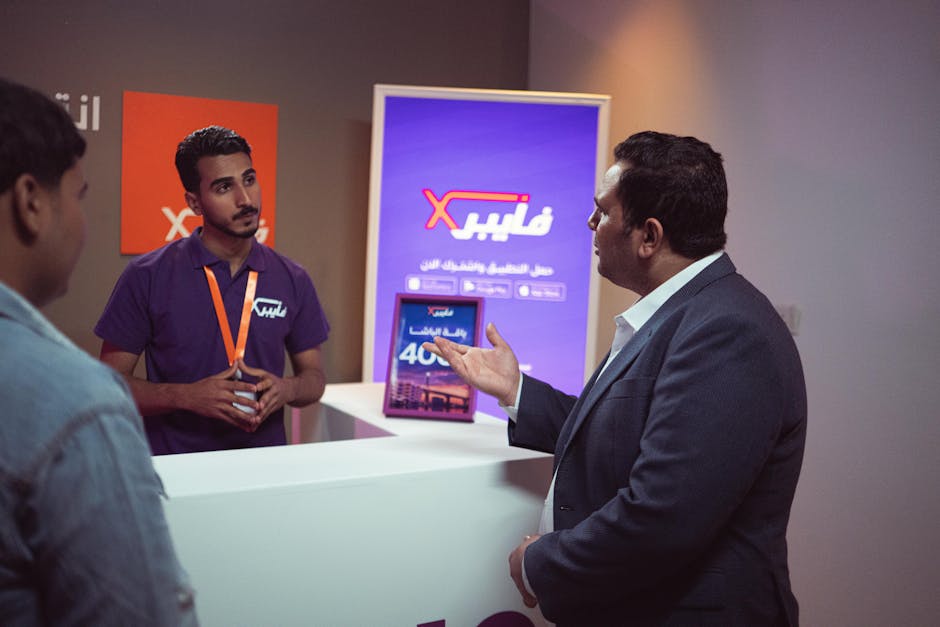
The measurement most organisers get wrong
Stop counting scanner beeps. They are the wrong number and they train everyone in the building to optimise for the wrong thing.
Track three things instead. Meetings per exhibitor - how many scheduled, qualified conversations each exhibitor had. Meeting-to-opportunity conversion - how many of those meetings became sales opportunities within 90 days. Exhibitor return rate - whether exhibitors re-book for the following year.
Those three metrics are harder to collect than scanner beeps but they are the ones that tell you whether the event is delivering commercial value. And they are the ones the exhibitors are already tracking internally, whether the organiser helps them or not.
The commercial case for rebuilding
The trade shows that will still be around in ten years are the ones that have made the commercial case easier for exhibitors to defend to their own finance teams. More scheduled meetings, higher buyer quality, better post-show conversion data. The ones that keep selling square metres and counting footfall will start losing their best exhibitors first, then their good ones, then they will notice.
This is not a technology problem. It is a design problem. You can rebuild the networking architecture of a trade show with pen and paper and a scheduling system. The reason most shows have not is not capability - it is that the scanner-beep business model still pays the bills. That is changing, and the events moving first will pick up the exhibitors who jump ship from the ones that do not.
If you want to see what scheduled-meeting-first trade show networking looks like in practice, have a look at how All Along works for events, or run your current exhibitor experience through our free networking gap calculator to see where the meetings are leaking out of the show floor.
Frequently asked questions
Why does trade show networking fail for exhibitors?
Because the show floor is designed for traffic, not for conversation. Exhibitors pay for a booth, collect business card scans, then realise most of those scans are low-intent attendees grabbing swag. The actual buyers - the ones with budget and a real problem to solve - do not want to have a substantive conversation at a noisy booth in front of their competitors. So the most valuable conversations either happen elsewhere (hotel bars, side rooms, scheduled meetings) or do not happen at all. The fix is to design for scheduled conversation alongside the show floor, not instead of it.
What is the best way to network at a trade show as an exhibitor?
Two things, in this order. First, use pre-show matching to book 10 to 15 qualified meetings with buyers before you arrive. Those meetings are worth more than hundreds of scanner beeps because the buyers are self-selected by interest. Second, identify the two or three side events where the decision-makers actually gather - the hotel bar near the venue, the invitation-only breakfasts, the curated dinners - and make sure you are at them. The show floor is the shop window. The deals happen in the meeting rooms.
How should trade show organisers design networking differently?
Stop treating the booth as the primary networking unit. Design four parallel networking tracks. Pre-show matching between exhibitors and buyers based on stated needs. Scheduled meeting rooms adjacent to the show floor for private conversations. Curated buyer breakfasts and dinners that select on seniority and fit, not on ticket price. And a post-show follow-up designed around the buyers, not the exhibitors - reminding them of specific conversations, not blasting them with exhibitor logos. Those four tracks, run properly, will transform an exhibitor's experience of the event more than any booth design change.
How do I measure trade show networking ROI?
Stop counting scanner beeps. Track three things instead. First, meetings per exhibitor - how many scheduled, qualified conversations each exhibitor had. Second, meeting-to-opportunity conversion - how many of those meetings became sales opportunities within 90 days. Third, exhibitor return rate - whether exhibitors re-book for the following year. Leads per exhibitor is a vanity metric. Meetings-to-opportunity is the one that tells you whether the event is delivering the commercial value that justifies exhibitor spend.
Are trade shows still worth it in 2026?
Yes, but only for events that have rebuilt around conversation rather than footfall. The global B2B trade show market is still growing (Grand View Research, 2025), but exhibitor satisfaction has been eroding for years at the shows that have not modernised. The trade shows that will keep their exhibitors are the ones that make the commercial case easy to defend - more scheduled meetings, higher buyer quality, better post-show conversion data. The ones that keep selling square metres and counting footfall will lose their best exhibitors first.
About the author
Alex Shiell
Co-founder and GTM Lead, All Along
Alex is co-founder and GTM lead at All Along. She spends her days talking to event organisers, associations and sponsors about what they need from networking - and turning those conversations into product and commercial decisions. She writes about the operational side of events: registration data, sponsor ROI, adoption and the organiser craft.
Connect on LinkedInReady to make networking the reason people come back?
All Along gives every attendee three people they should actually meet, and gives you a complete picture of what your audience wants.
More from Field Notes
B2B event networking for sales teams: a three-touch framework
Sales teams arrive at B2B events with a budget, a quota and no plan. The teams who do this well treat the event as the middle of a conversation, not the start.
The case for transparent event matchmaking
If an attendee asks why they were paired with someone, an organiser who cannot answer has a product problem, not a communication problem.
Event networking by event type: one framework, six formats
One networking format does not fit six different kinds of event. Three questions that tell you the design any event type actually needs.