
Why your event networking tool isn't delivering
Only 15% of organisers rate their event networking as very effective despite heavy tool investment. The real constraint is who champions it from stage.
Co-founder and Product Lead, All Along

Your networking tool is probably fine. What is missing is airtime. When the organiser takes three minutes at the start to explain what the tool is, why they chose it and what attendees should do with it, adoption reaches 50% or higher. When it sits quietly as an optional extra, adoption hovers around 20%. Same product, different signal. Here is what those three minutes need to contain.
There's a quiet frustration running through the events industry right now. Organisers are investing in better tools than ever - matchmaking software, smart badges, networking apps - and still watching attendees cluster with people they already know, nursing drinks, waiting for the session to restart. The organiser champion effect is one of the most underrated levers for increasing event attendee engagement - and one of the cheapest.
Research from Freeman's 2025 Networking Trends Report found that 60% of event organisers don't actively manage networking at all — distributing responsibilities across teams or leaving it unowned entirely. That's striking when you consider how much the industry has spent on technology designed to solve exactly this problem. (Freeman, 2025)
So what's going wrong?
The honest answer is that we've been looking at the wrong variable.
The assumption everyone makes
When networking underperforms, the instinct is to look at the tool. Is the matchmaking algorithm sophisticated enough? Does the app have good UX? Is the platform integrated with registration?
These are reasonable questions. But they assume that the quality of the software is the primary driver of outcomes. It isn't.
There's a pattern in event technology adoption that researchers have started to document. A 2025 analysis by Congruence Market Insights described a "substantial capability gap between what enterprise platforms can do and what most organiser teams actually use" - features built for analytics, personalisation and operational intelligence sitting "largely dormant, not because organisers do not want them, but because implementation, training, and change management have not kept pace with product development." (Congruence Market Insights, 2025)
The tools aren't failing. The adoption is.
And the single biggest driver of adoption at a live event isn't training or onboarding or UX. It's whether the organiser stands up and tells people to use it.
What three minutes of airtime actually does
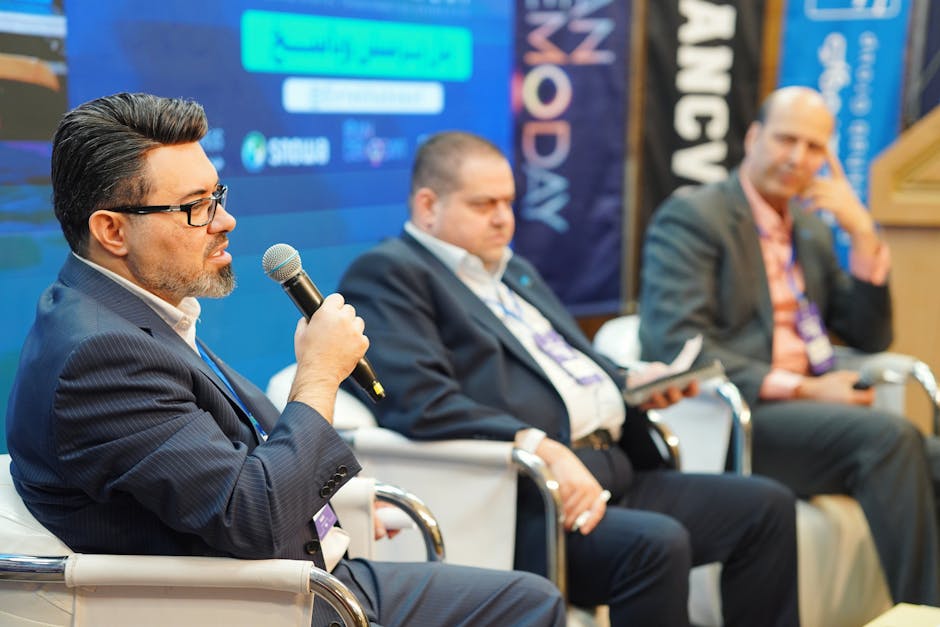
I've seen this play out across events. When the organiser took three minutes at the start of the event - just three minutes - to explain what the networking tool was, why they chose it and what attendees should do with it, adoption rates hit 50% or higher. When they didn't, when the tool sat quietly in the background as an optional extra, adoption hovered around 20%.
Same tool. Same event format. Different outcomes based entirely on whether the organiser made an introduction.
This isn't surprising if you think about it from the attendee's perspective. You arrive at an event, you're handed a dozen pieces of information, there's music playing, people are milling around. The last thing you're doing is downloading an app or opening a link you received in a pre - event email three days ago. Unless someone you trust - the person who put the event together - looks you in the eye and says "this is worth five minutes of your time."
That endorsement does something no email campaign or in - app prompt can replicate. It signals legitimacy. It frames the behaviour as expected rather than optional. And it removes the social awkwardness of being the person who pulls out their phone and types in a URL.
What championing actually looks like in practice
Three minutes doesn't mean a product demo or a technical explanation. It means three specific things:
Make it part of the welcome. Not a sponsor mention at the end, not a logistics slide buried after the programme overview. The networking element should sit alongside "here's where the bathrooms are" and "here's what we're doing today." It's part of how the event works, not an optional add - on.
Set an expectation, not a request. "We'd love it if you could..." is an opt - in. "We've matched everyone in this room to three people you should find today - your matches are in your inbox" is a directive. The framing matters. When attendees understand that the organiser has already done work on their behalf, they feel obligated to engage with it in a way that a generic "check out our networking app" simply doesn't create.
Model the behaviour. If the organiser has looked at the tool, knows how it works and can say "I can already see that half this room is working on similar problems - that's what I used to choose who to match with whom," attendance trust in the process goes up significantly. You don't need to be a technology expert. You need to have read your own audience insights.
These are small things. None of them require additional budget or a new platform. They require deliberate design of the first five minutes of your event.
Why this changes the ROI calculation
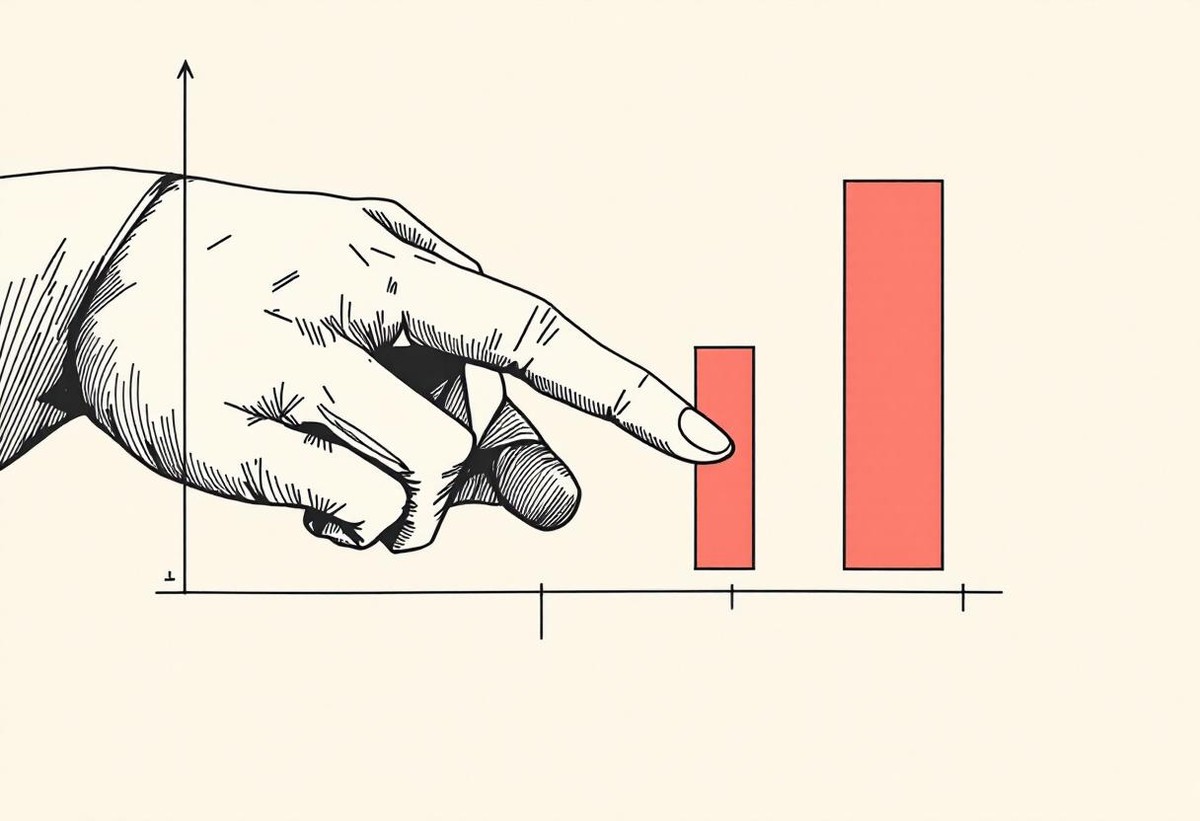
Here's the thing that often gets missed in conversations about event technology: the ROI of any networking tool is not fixed. It's a function of adoption rate multiplied by quality of the experience.
If your tool delivers excellent introductions but only 20% of attendees engage with it, you've recovered 20% of the potential value you paid for. If adoption climbs to 50%, you've more than doubled your return without changing anything else about the product. This is also why adoption is one of the most important things to track when you measure whether event networking actually worked.
This means the most important investment decision isn't which platform you choose. It's whether you're willing to advocate for it on the day.
I've spoken to organisers who've spent thousands on event tech that "didn't work" - and when we dig into what happened, it turns out the tool was available, functional and well - designed, but nobody told attendees it existed. The failure wasn't in the product. It was in the deployment.
This also reframes how to evaluate new tools before you buy them. Instead of asking "does this have feature X?", the more useful question is "can I explain this in three minutes to a room full of people who've never seen it?" If the answer is no, that's a problem regardless of what the feature set looks like. My short buyer guide on event networking software walks through the other questions worth asking before you sign.
The underrated skill in event tech
The most capable networking tools available today are genuinely impressive. Matching has moved well beyond "people with similar job titles" into real analysis of what attendees want from an event, what they can offer, and who specifically they should meet.
But capability isn't the constraint. The constraint is what happens in the first ten minutes of your event.
Networking tools succeed when organisers treat them as a core programme element, not a feature. The ones who get the best results aren't necessarily using the most sophisticated software - they're the ones who've thought carefully about how to introduce it, why it matters and what they want attendees to do with it. The same principle applies to warming up the room before people arrive, and the events that get the most out of any platform are the ones that treat both choices as part of the same system.
That organiser advocacy takes less time than any product comparison you'll ever do. And it has a measurably bigger impact on outcomes.
If your networking results have been underwhelming, I'd ask this before changing platforms: did you champion it, or did you just deploy it?
Frequently asked questions
What is the organiser champion effect?
It's the measurable difference between attendee adoption of a networking tool when the organiser actively endorses it versus when the tool sits passively in the background. When an organiser stands up and explains what the tool does, why they chose it, and what attendees should do with it, adoption rates typically jump from 15 - 20% to 50%+. The tool itself doesn't change - just the signal from the organiser.
How should an organiser champion a networking tool?
Three minutes at the start of your event is enough. Make it part of the welcome, not a sponsor mention at the end. Set an expectation, not a request - "We've matched everyone in this room to three people you should find today" is stronger than "We'd love it if you could..." Show you've used the tool yourself: "I can already see that half this room is working on similar problems - that's how we decided on the matches."
Why do so many networking tools underperform?
Tools often sit in the background as optional extras. Attendees don't know they exist, or they feel optional, or they require effort to discover. The tool might be genuinely excellent, but if 80% of attendees don't know it's there or don't feel permission to use it, it delivers almost no value. The most capable platforms fail when deployment doesn't match capability.
Is it really just about airtime?
Not entirely - it's about signal. Three minutes of airtime is how you send that signal, but it's also about framing the tool as core to how your event works, not a bolt - on feature. It's about modeling the behaviour (the organiser has clearly used it), setting clear expectations (this isn't optional), and removing social awkwardness (the organiser endorsed it, so it's legit).
Can organiser advocacy make a bad tool work?
It can make a mediocre tool work better, but it can't fix a genuinely broken experience. What it does do is unlock the potential of a good tool that would otherwise go unused. If you have a tool that produces good matches but nobody uses it, organiser championing solves that. If you have a tool that produces bad matches, advocacy might get people using it - but they'll leave disappointed.
About the author
Cate Trotter
Co-founder and Product Lead, All Along
Cate is co-founder and product lead at All Along. She's spent 15+ years helping organisations turn emerging tech into commercial results, and founded and sold two retail-focused businesses before building All Along. She writes about how events can turn networking from a happy accident into a repeatable outcome.
Connect on LinkedInReady to make networking the reason people come back?
All Along gives every attendee three people they should actually meet, and gives you a complete picture of what your audience wants.
More from Field Notes
B2B event networking for sales teams: a three-touch framework
Sales teams arrive at B2B events with a budget, a quota and no plan. The teams who do this well treat the event as the middle of a conversation, not the start.
The case for transparent event matchmaking
If an attendee asks why they were paired with someone, an organiser who cannot answer has a product problem, not a communication problem.
Event networking by event type: one framework, six formats
One networking format does not fit six different kinds of event. Three questions that tell you the design any event type actually needs.